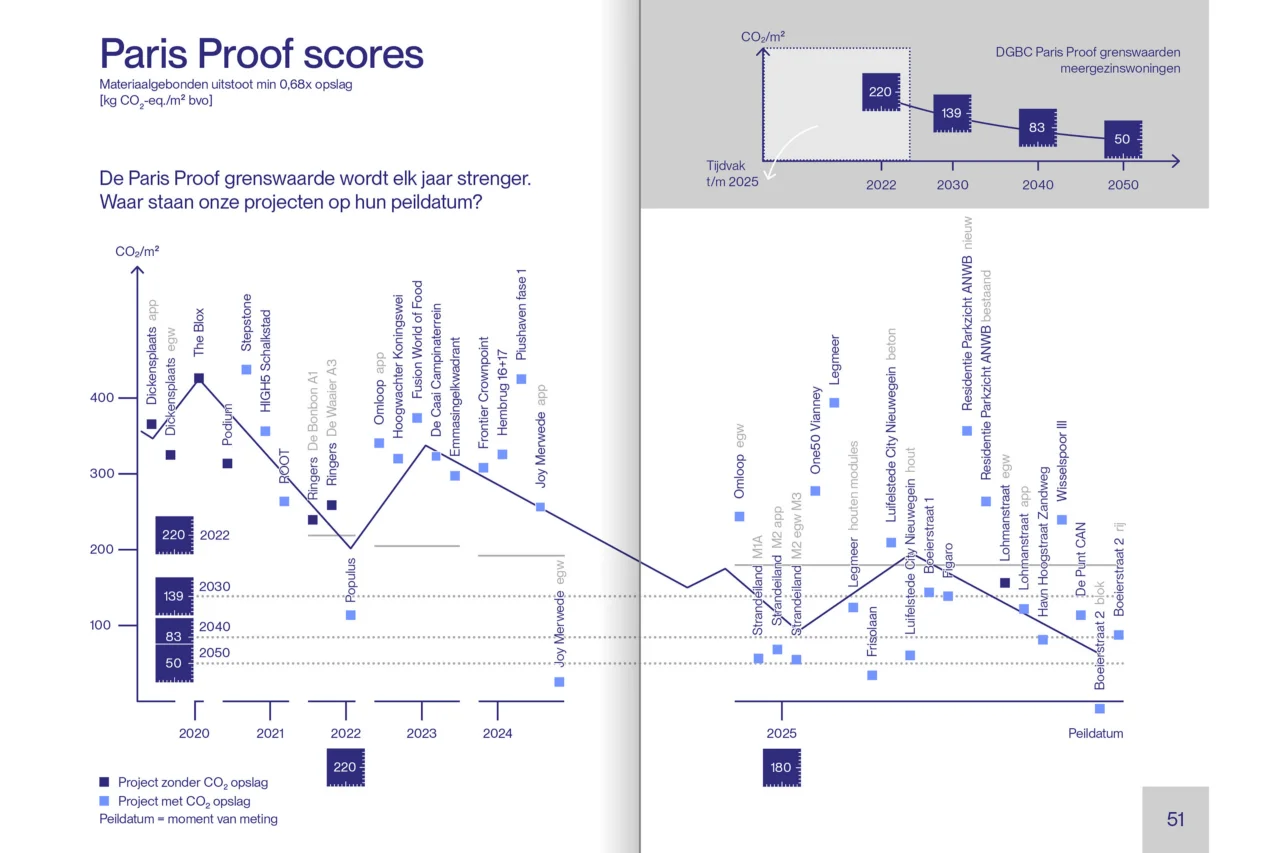
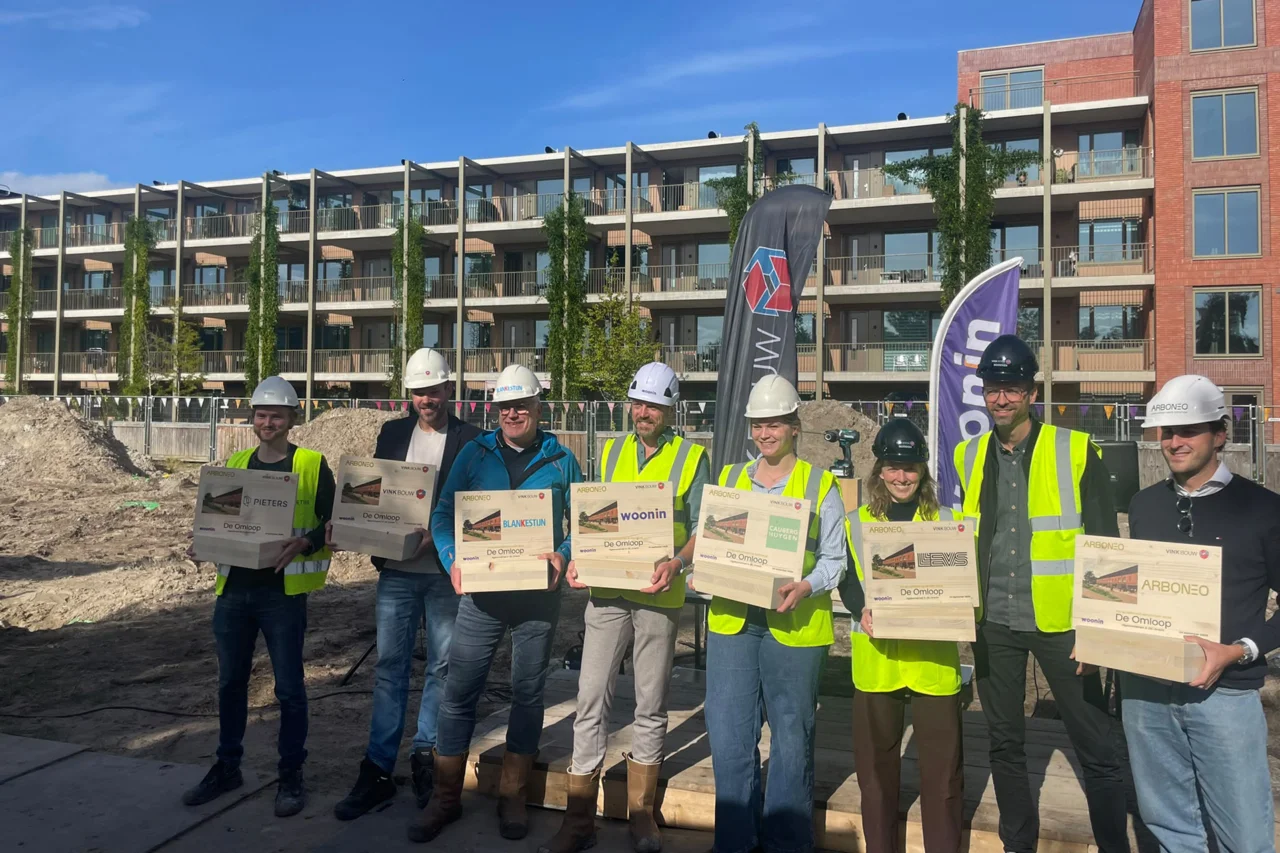
Half a year ago, we published our sustainability report 2021-2025, with an honest overview of where we stand with our sustainability ambitions. In this item, we zoom in on what this means for our wood construction projects. Strandeiland Tuinkwartier, Boeierstraat, HAVN in Wijk bij Duurstede, the CLT homes of Omloop, Luifelstede in Nieuwegein, Figaro in Zaandam, Populus in Rotterdam, and De Hoeksteen van Zandberg on Frisolaan in Breda: projects in various phases, from concept design and developed design to the start of construction.
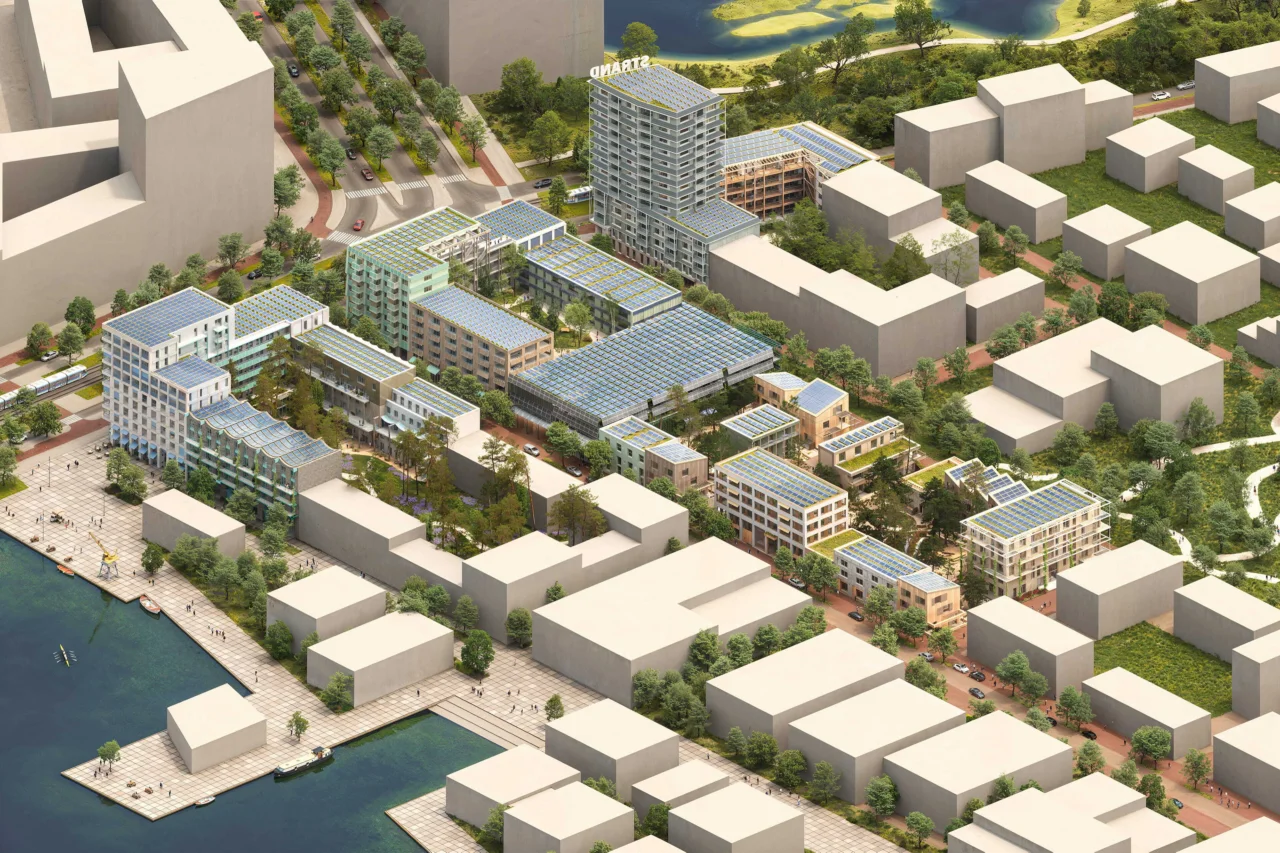
The projects vary in scale, program, and context. The first wooden supermarket in the Netherlands will soon be located on Strandeiland in Amsterdam, part of a district that is being built almost entirely in wood and biobased materials. Populus in Rotterdam combines more than 200 homes with a broad cultural, social, and care program.
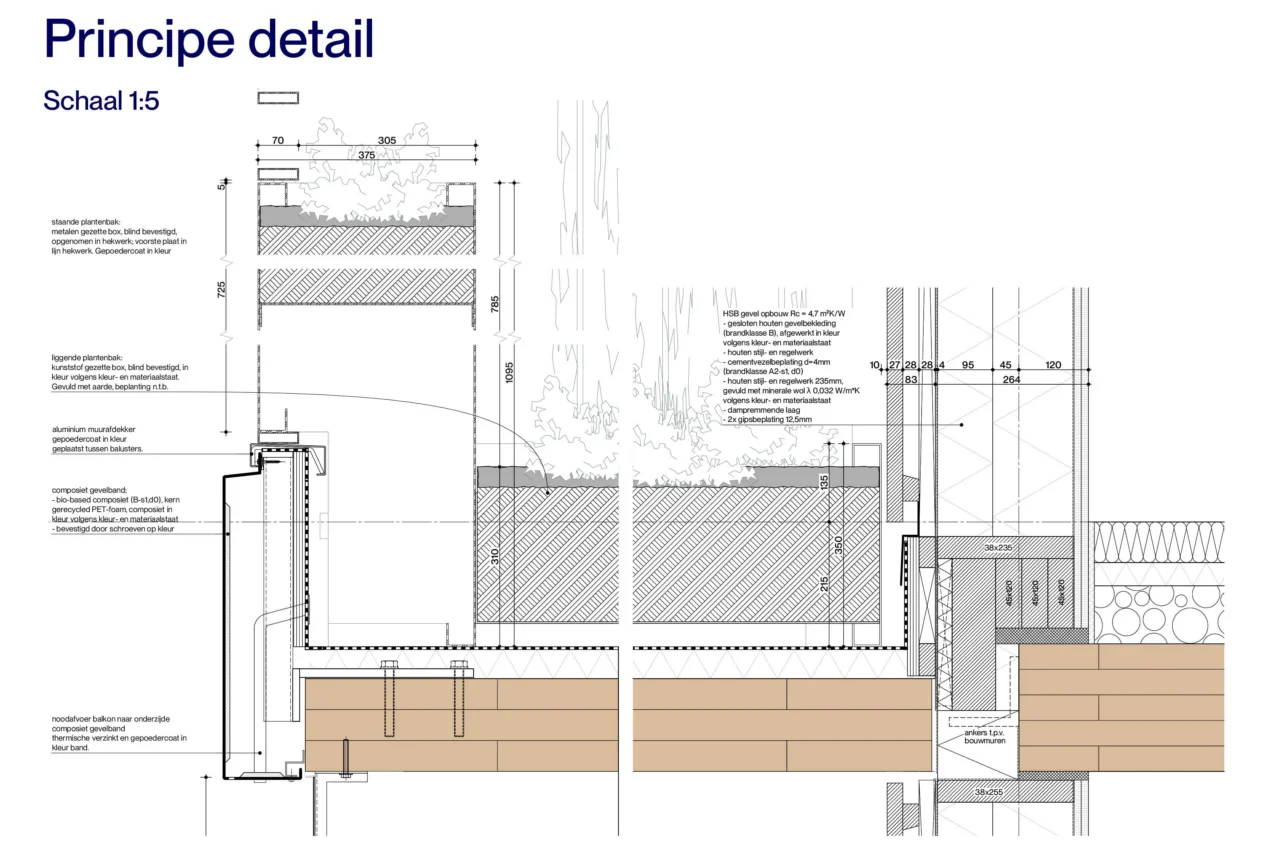
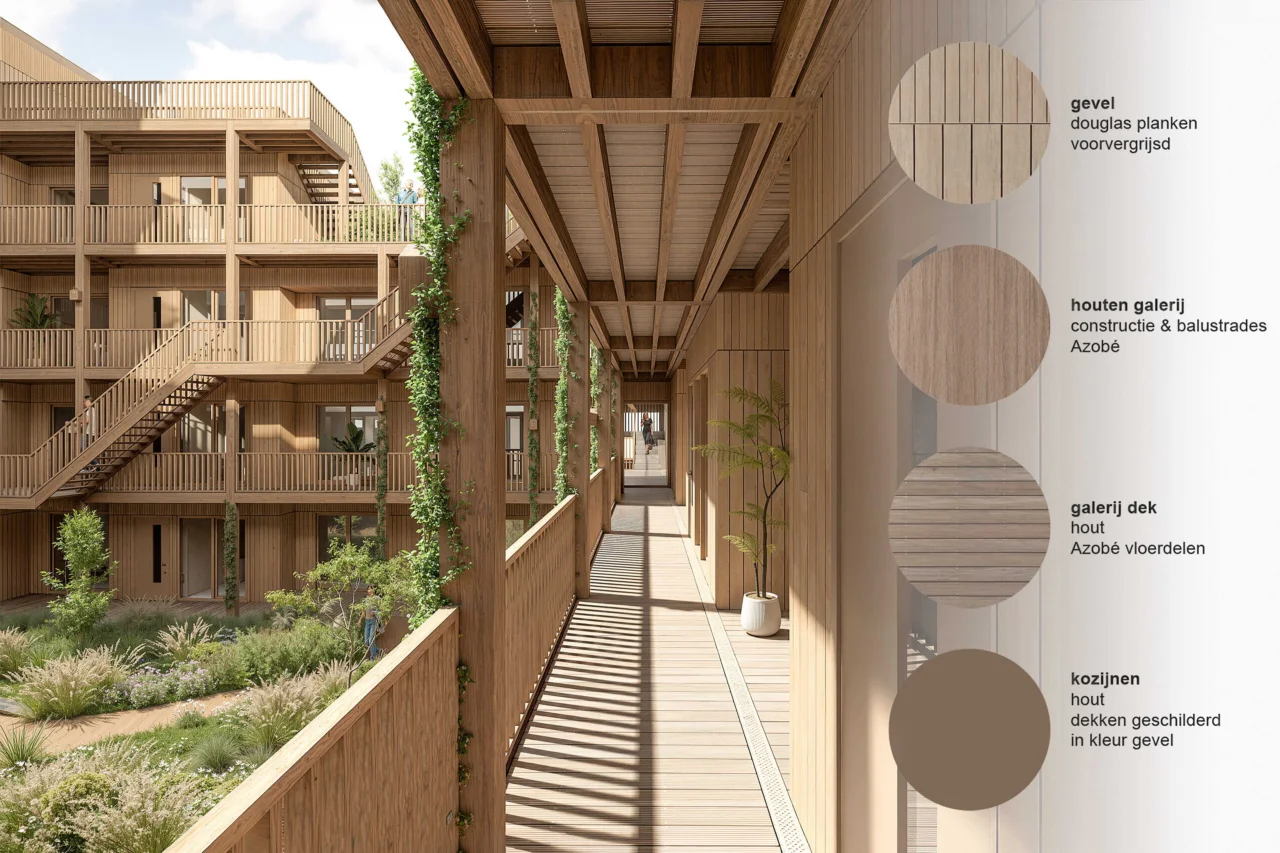
Figaro, next to Zaandam station, is a wood-hybrid residential and work building; HAVN in Wijk bij Duurstede combines timber construction with archaeology-friendly building. In Nieuwegein, we are working with Orange Architects on Luifelstede, a residential building for people aged 55 and over. Boeierstraat and De Hoeksteen van Zandberg are built on TIM, our own wood construction method.
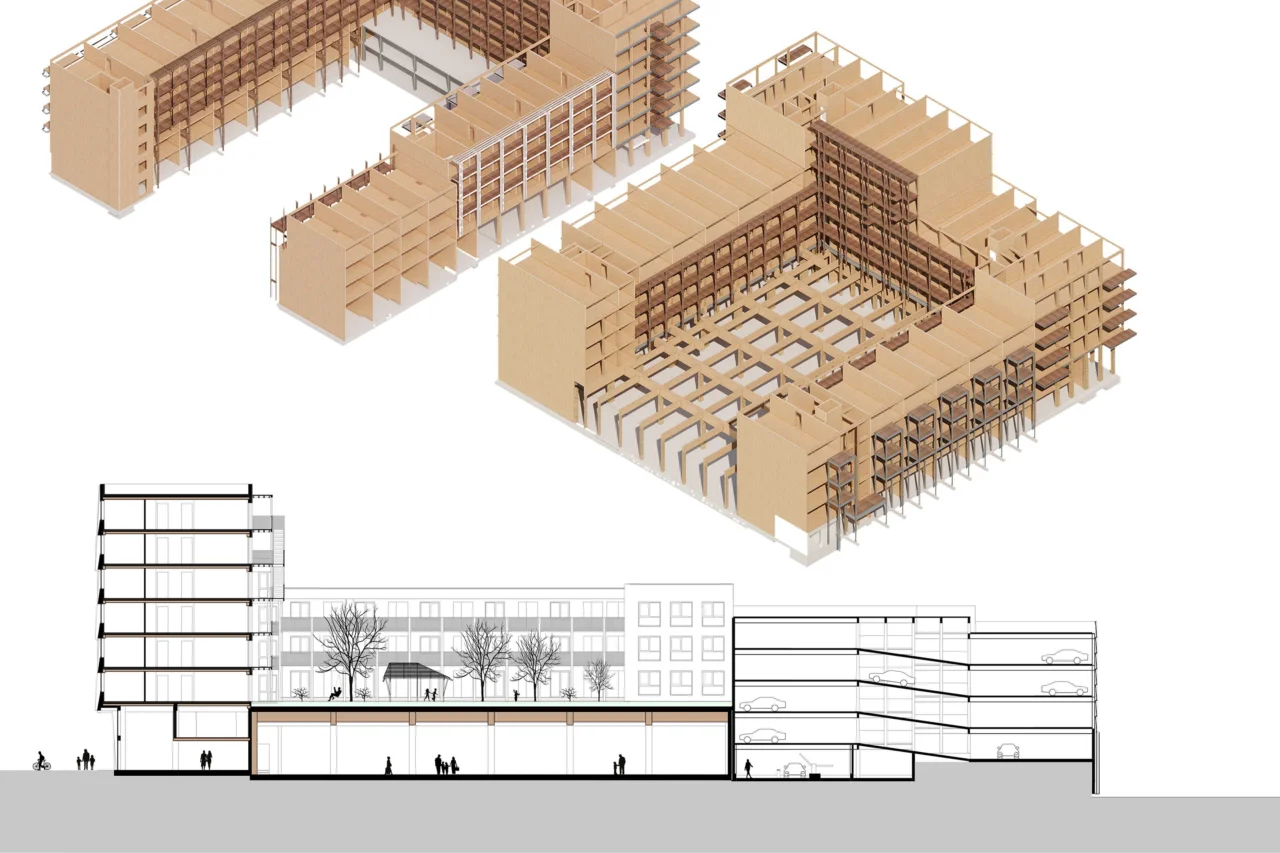
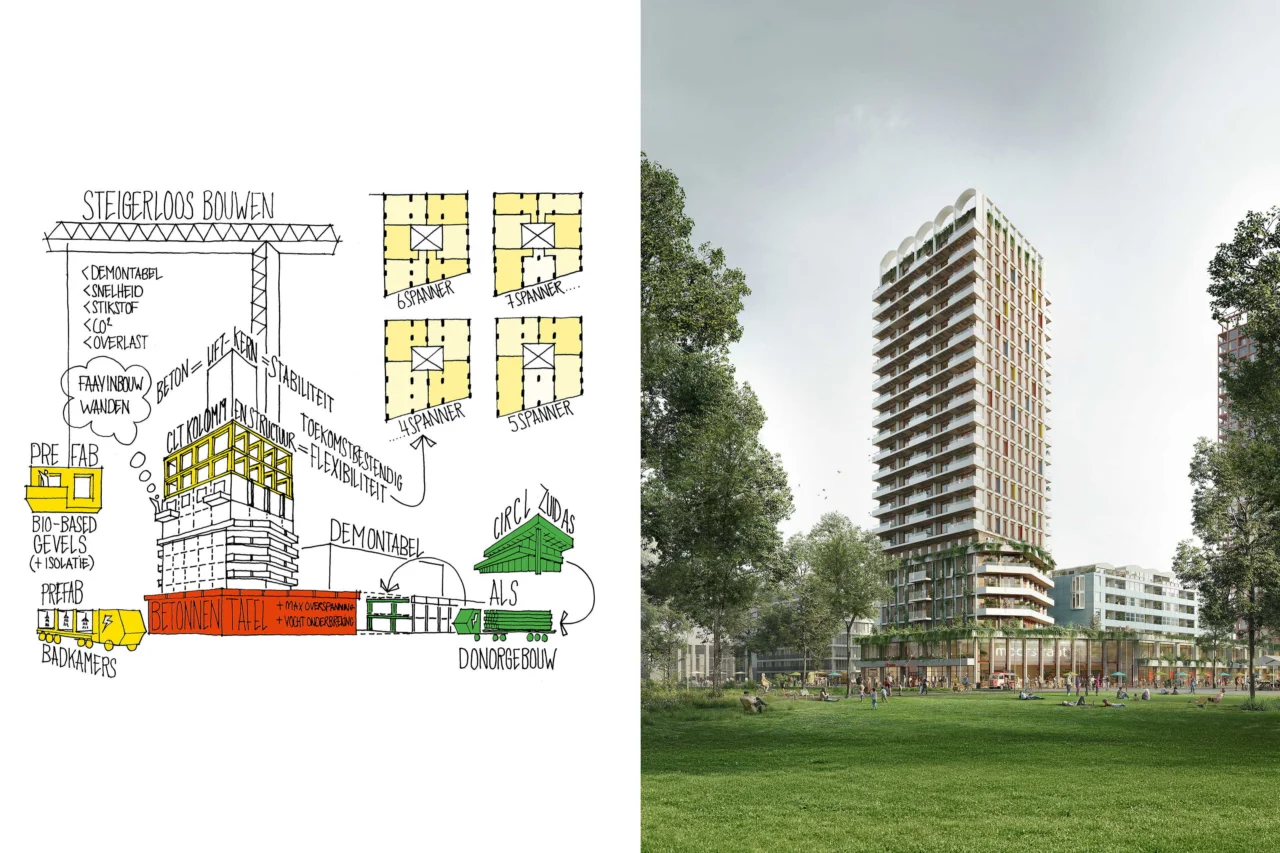
Not all knowledge comes from winning commissions. For De Punt in Amsterdam, we made a tender design for a wooden tower that we did not win. But the innovations developed for a tender can also yield a lot and return in a future project. Our design for CAN location De Punt is built from wood: a lightweight, demountable CLT structure with biobased insulation. Materials released during demolition are given a new place in the building. What cannot be reused is ground down or used elsewhere. Upon completion, a materials passport records what is in the building so that future reuse is also actually possible.