Strandeiland Garden Quarter
A wooden urban neighborhood at the IJ
Strandeiland Garden Quarter, Amsterdam
Garden Quarter as a link in the city
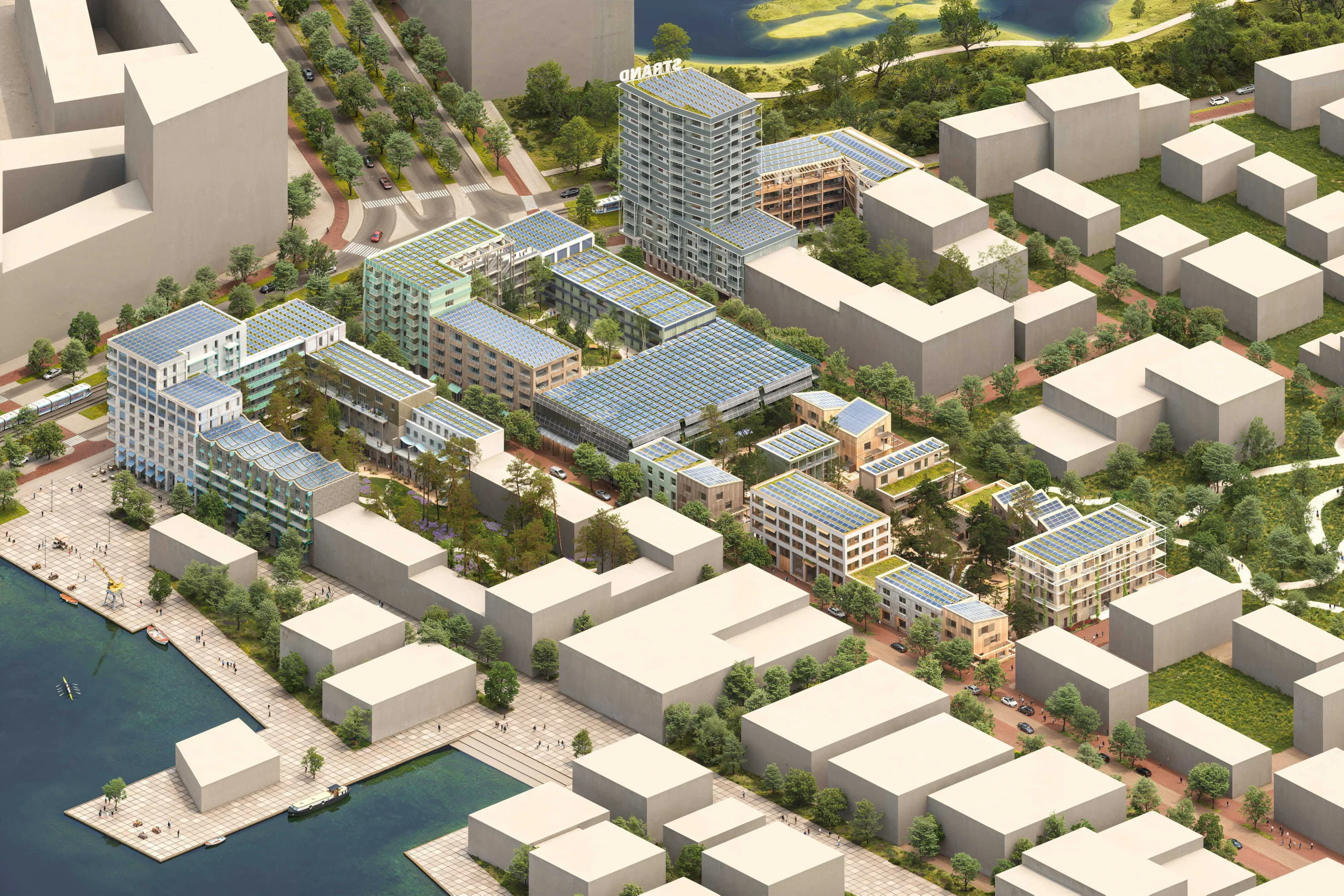
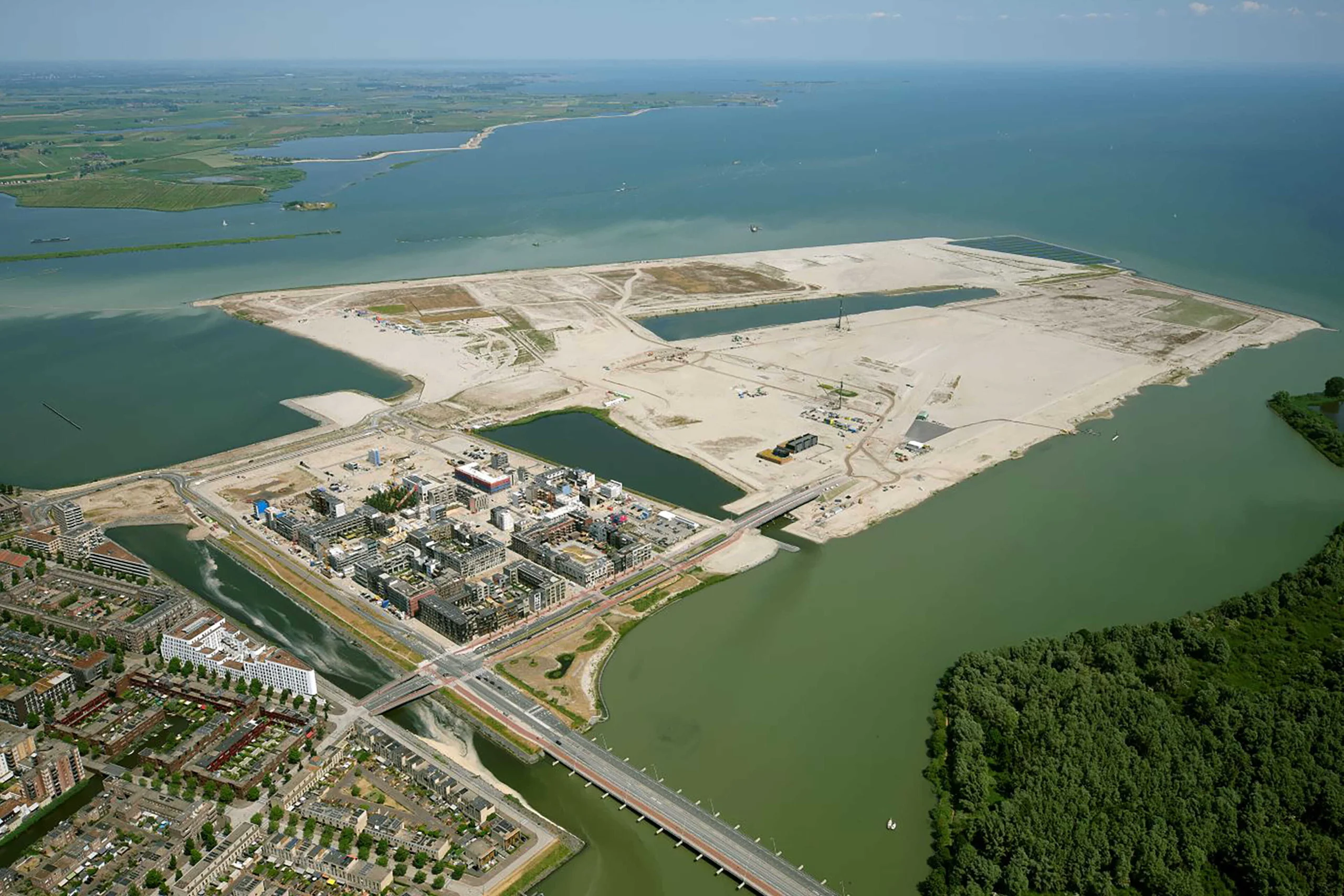
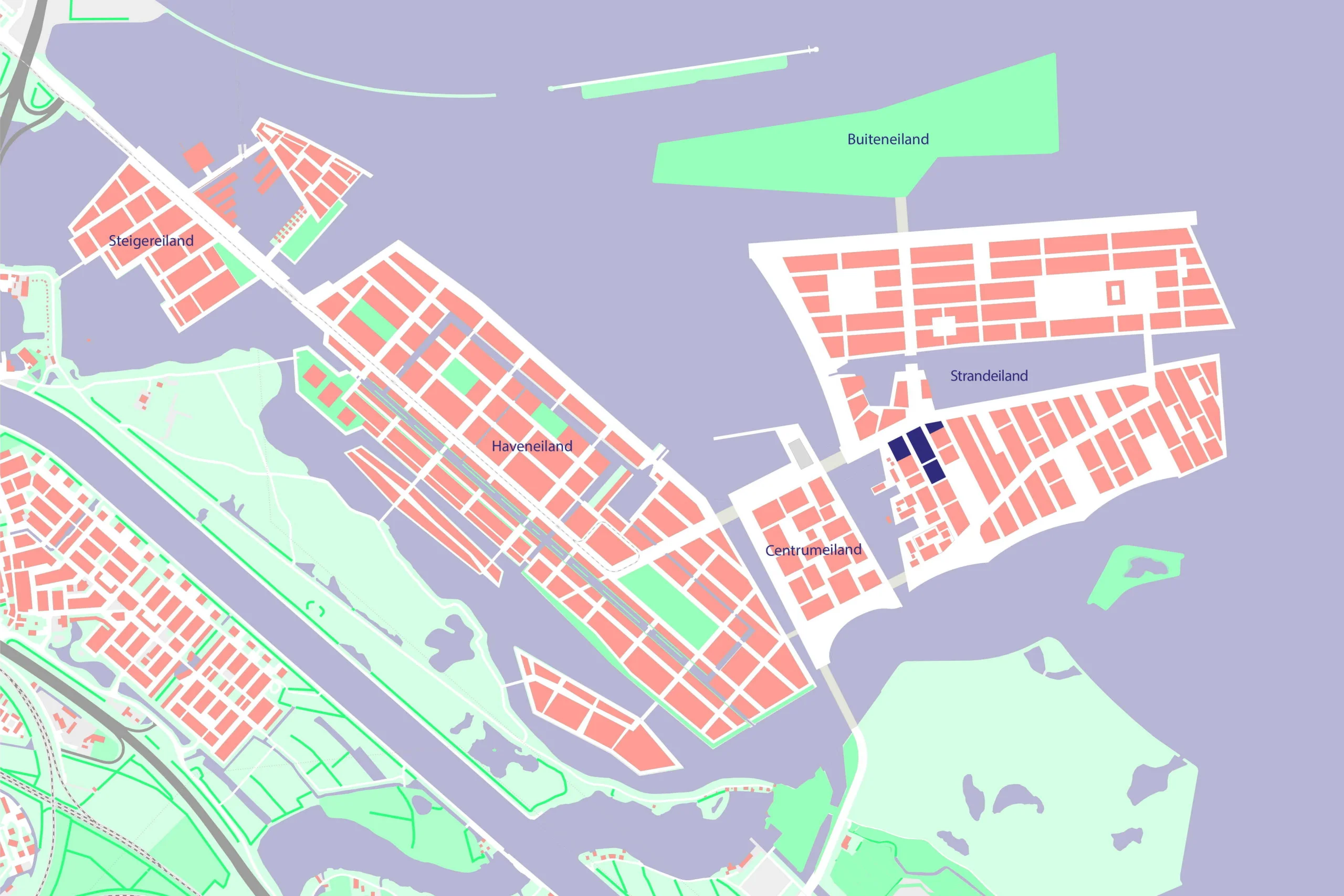
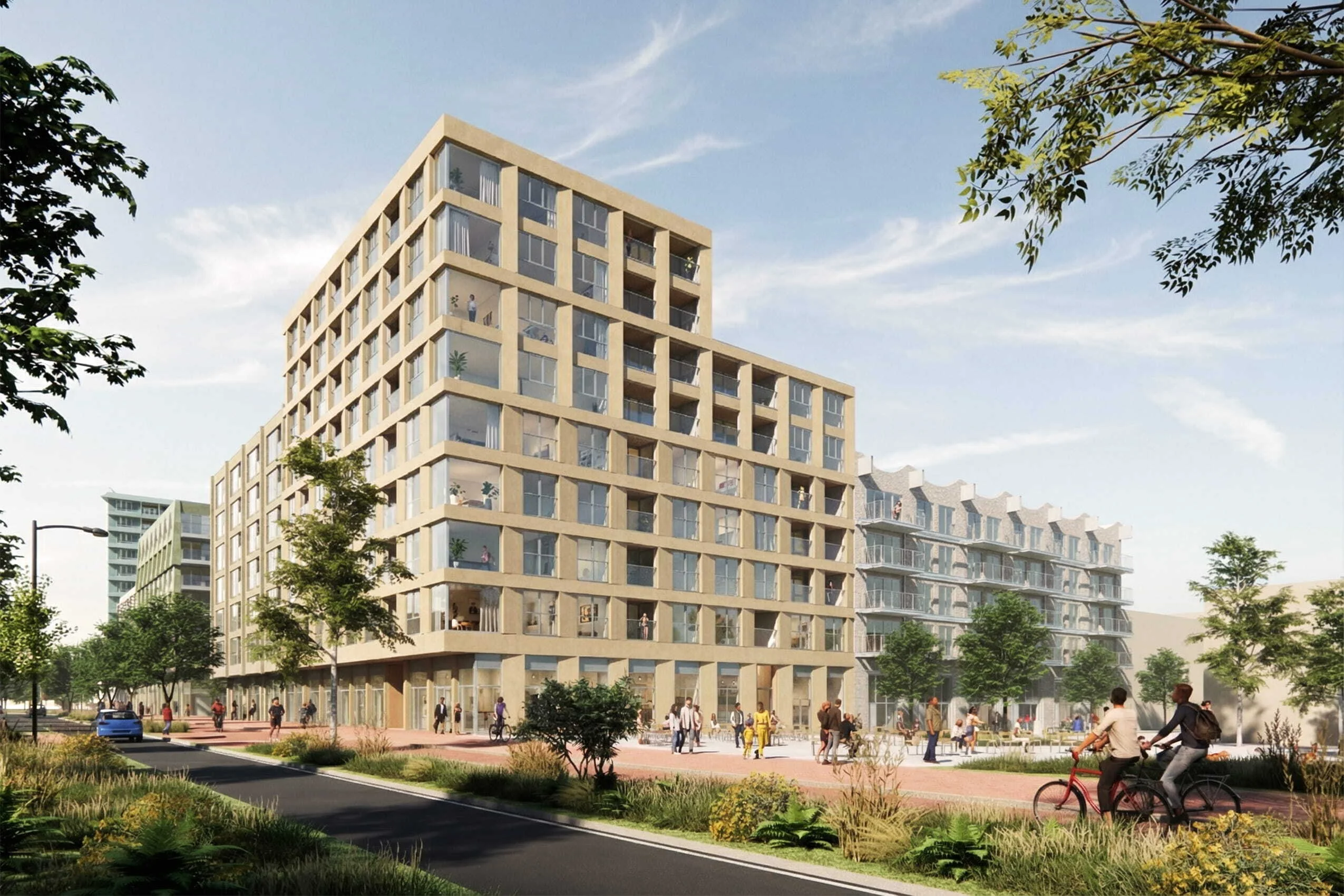
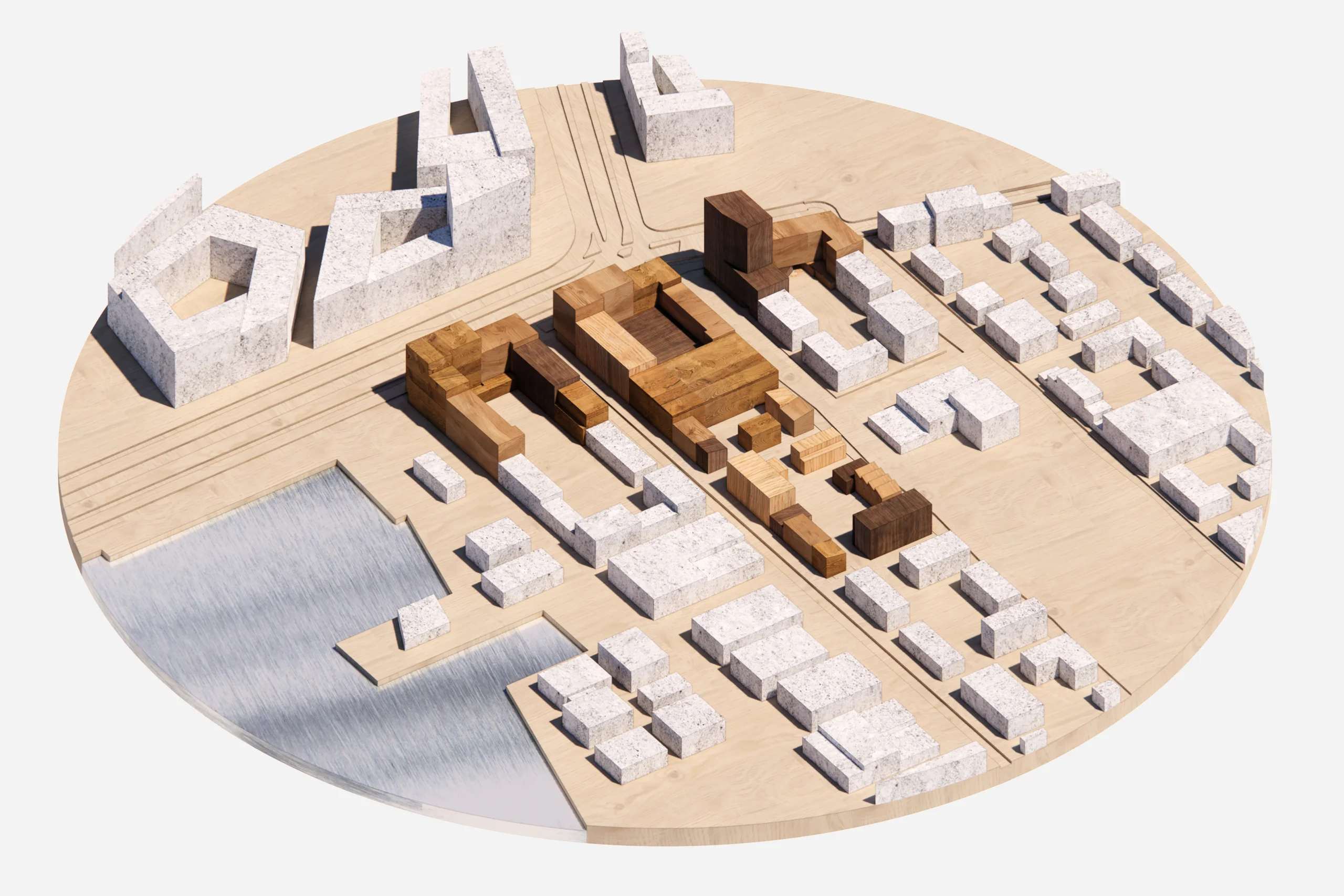
Strandeiland will become one of Amsterdam's largest future urban districts. With a 750-meter-long city beach, a harbor and nearly 6 hectares of green space, the island offers room for sports, play and socializing. The Strandeiland Garden Quarter project serves as a connecting element: as the introduction to the Muidenbuurt, as a link between different islands and as a crossroads of landscape structures. Garden Quarter will be a sustainable neighbourhood for families of all shapes and sizes, designed for social cohesion.
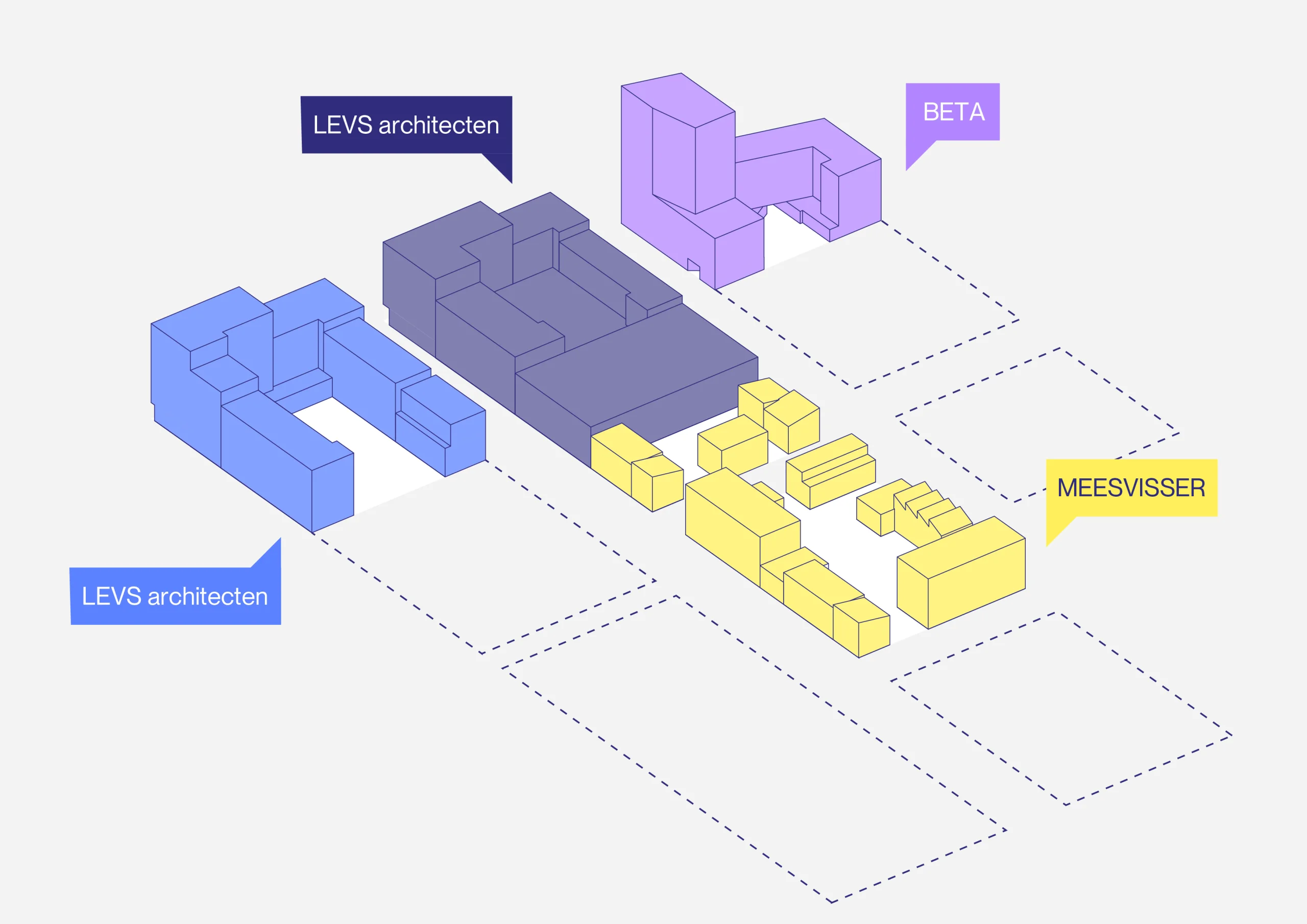
Four atmospheres, one neighborhood
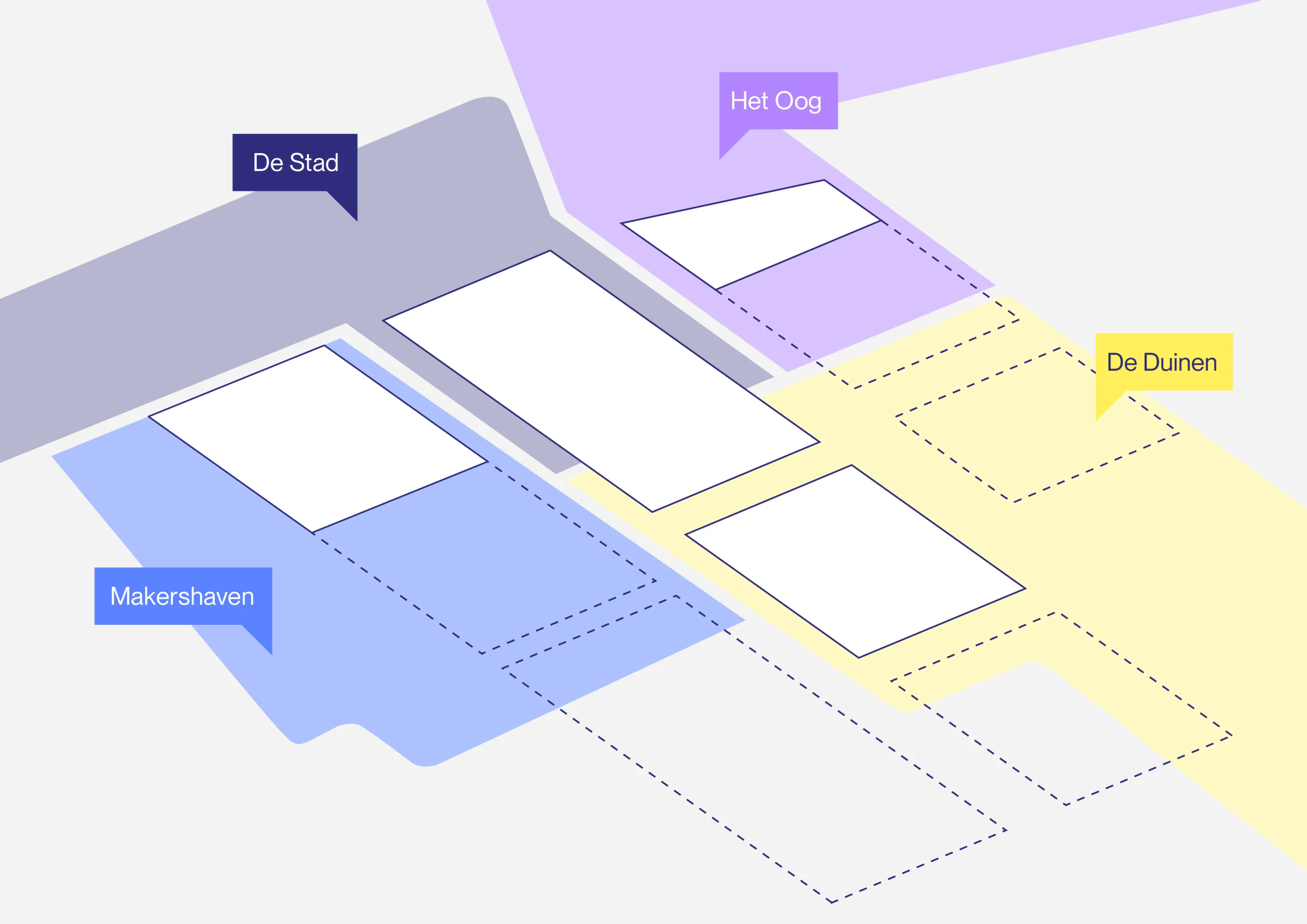
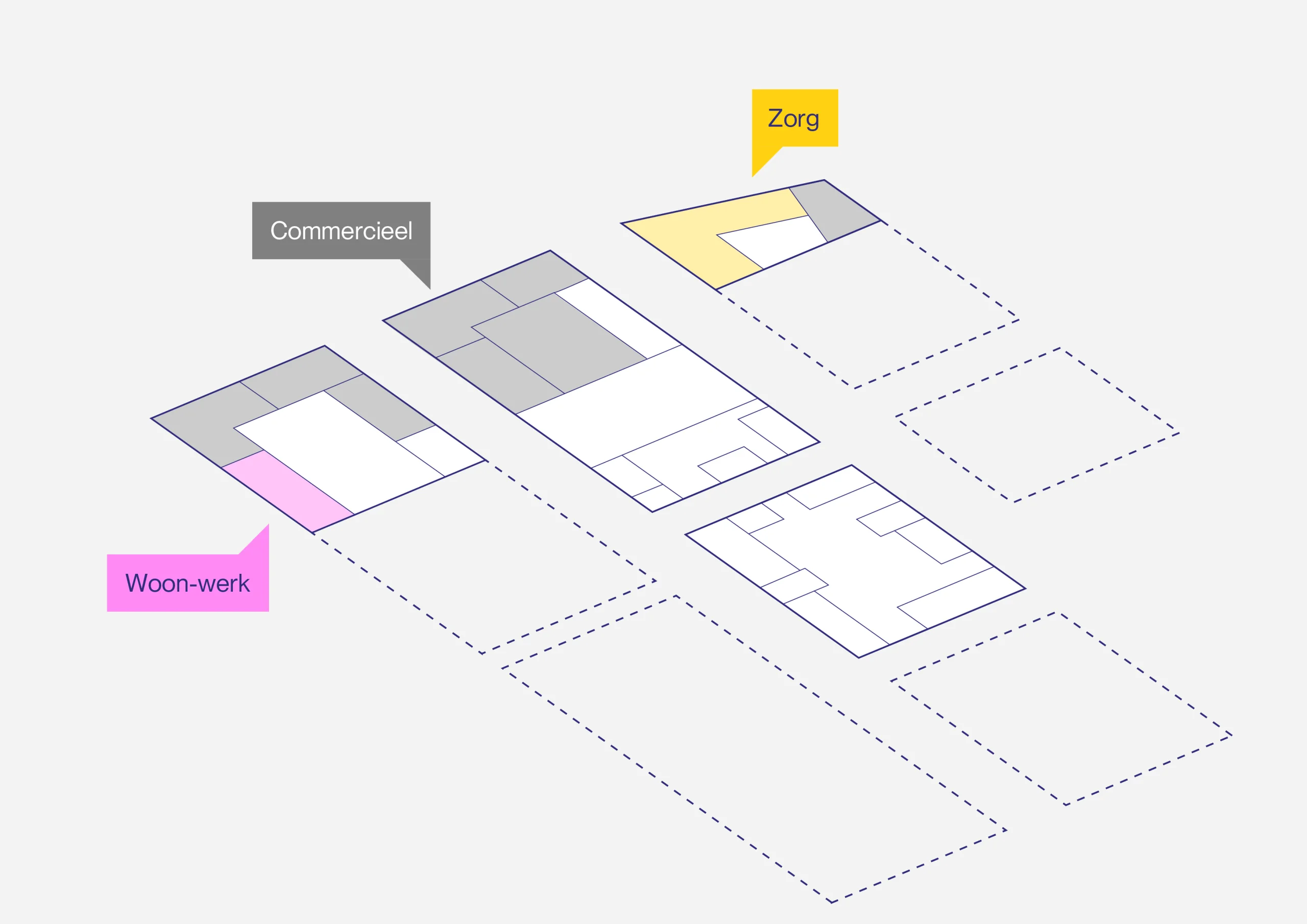
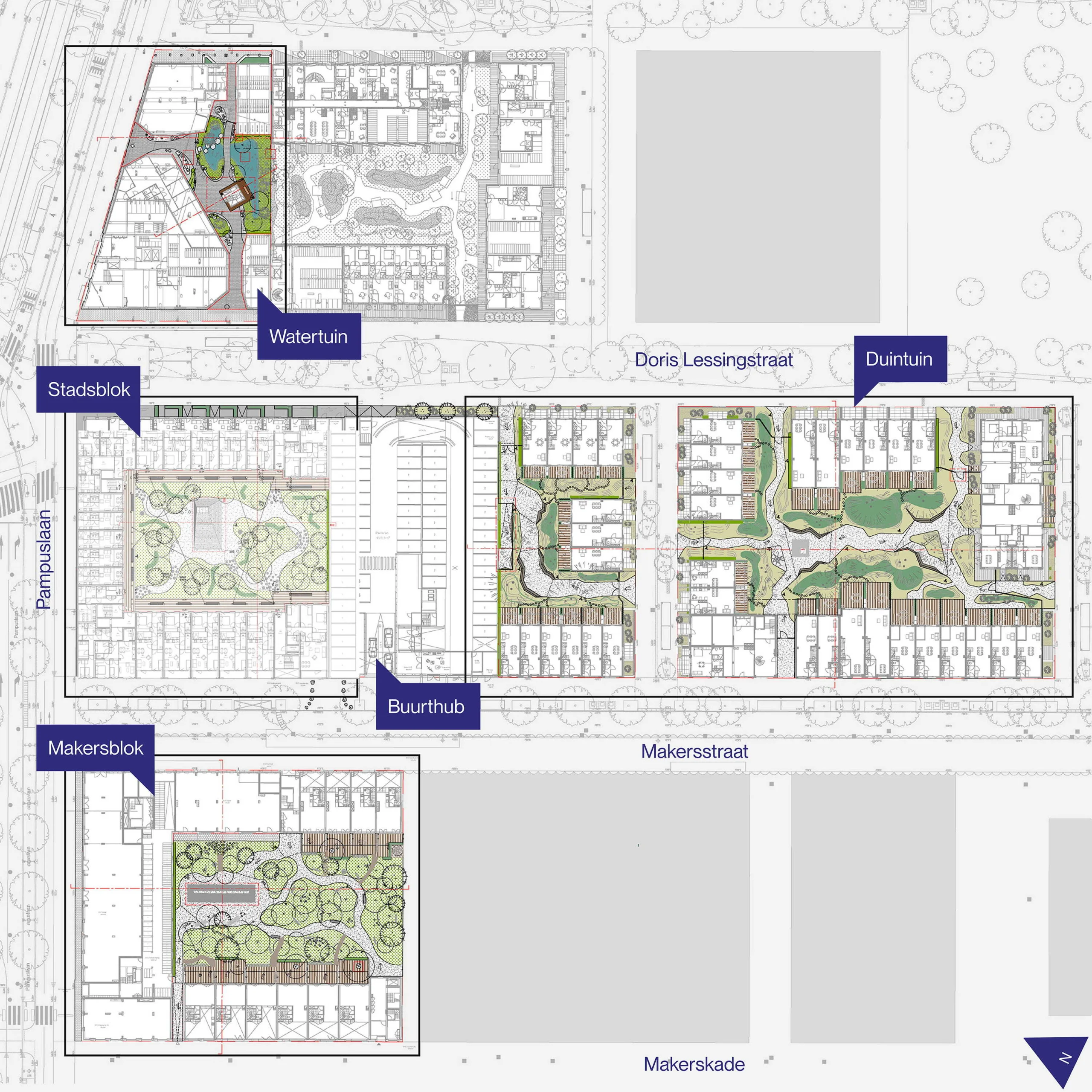
Garden Quarter is a neighbourhood with four characters that together form a single whole: Makers Harbour, The City, The Eye end The Dunes. Each building block, the Makers Block, the City Block, the Water Garden and the Dune Garden, has its own identity. The industrial, maritime influences of Makers Harbour give the neighbourhood an edge: tough residential blocks, contemporary housing forms and attractive hospitality. In The City lies a lively, active urban neighbourhood with shops, hospitality and the neighbourhood hub. Next to it is The Eye, a serene environment with water where biodiversity is central. The Dunes are characterized by playful sightlines to the park and a garden as a dune landscape in which to relax, walk and play. Garden Quarter makes use of the best qualities of the location, whether it borders a lively city street or flows into a lush park.
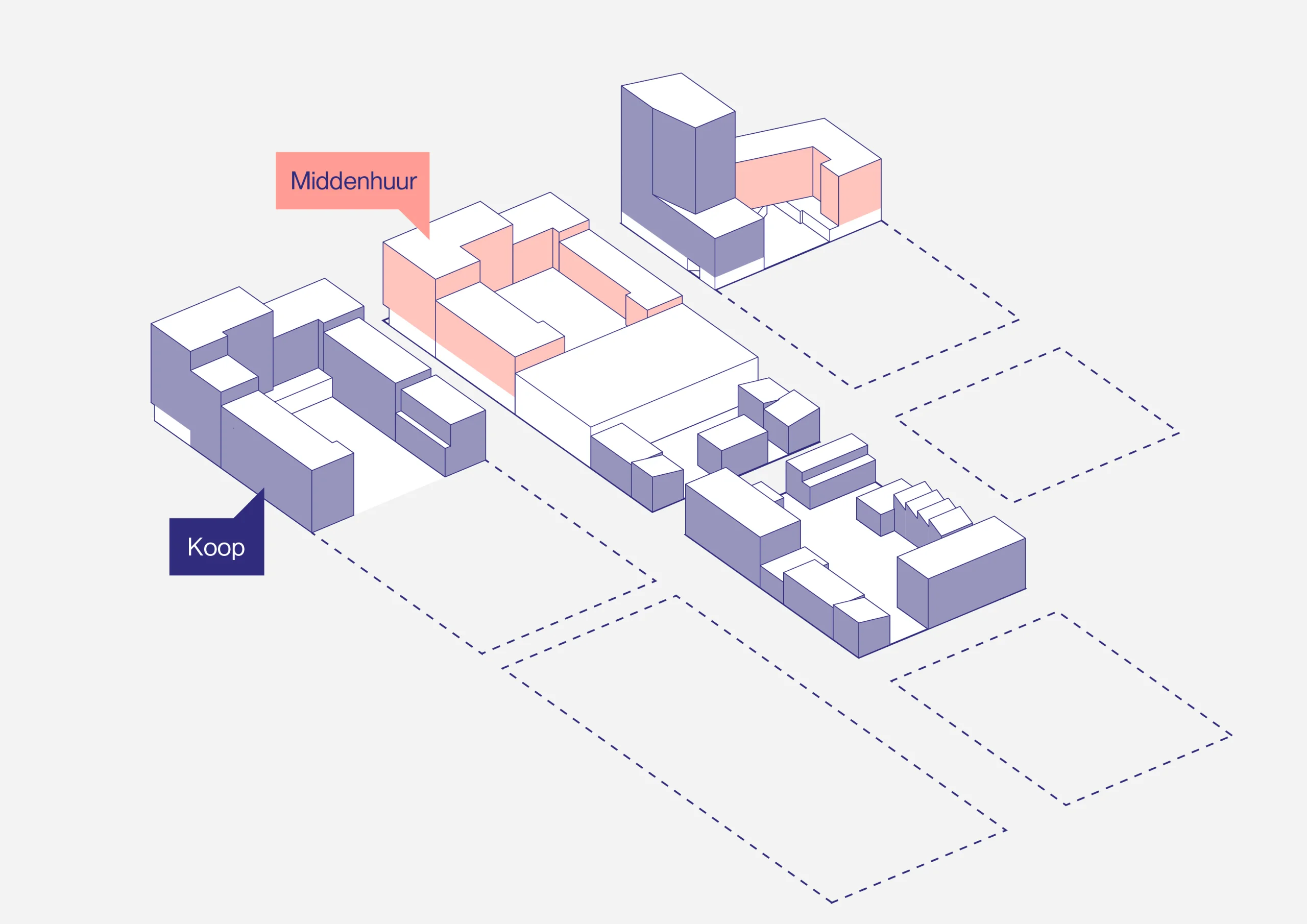
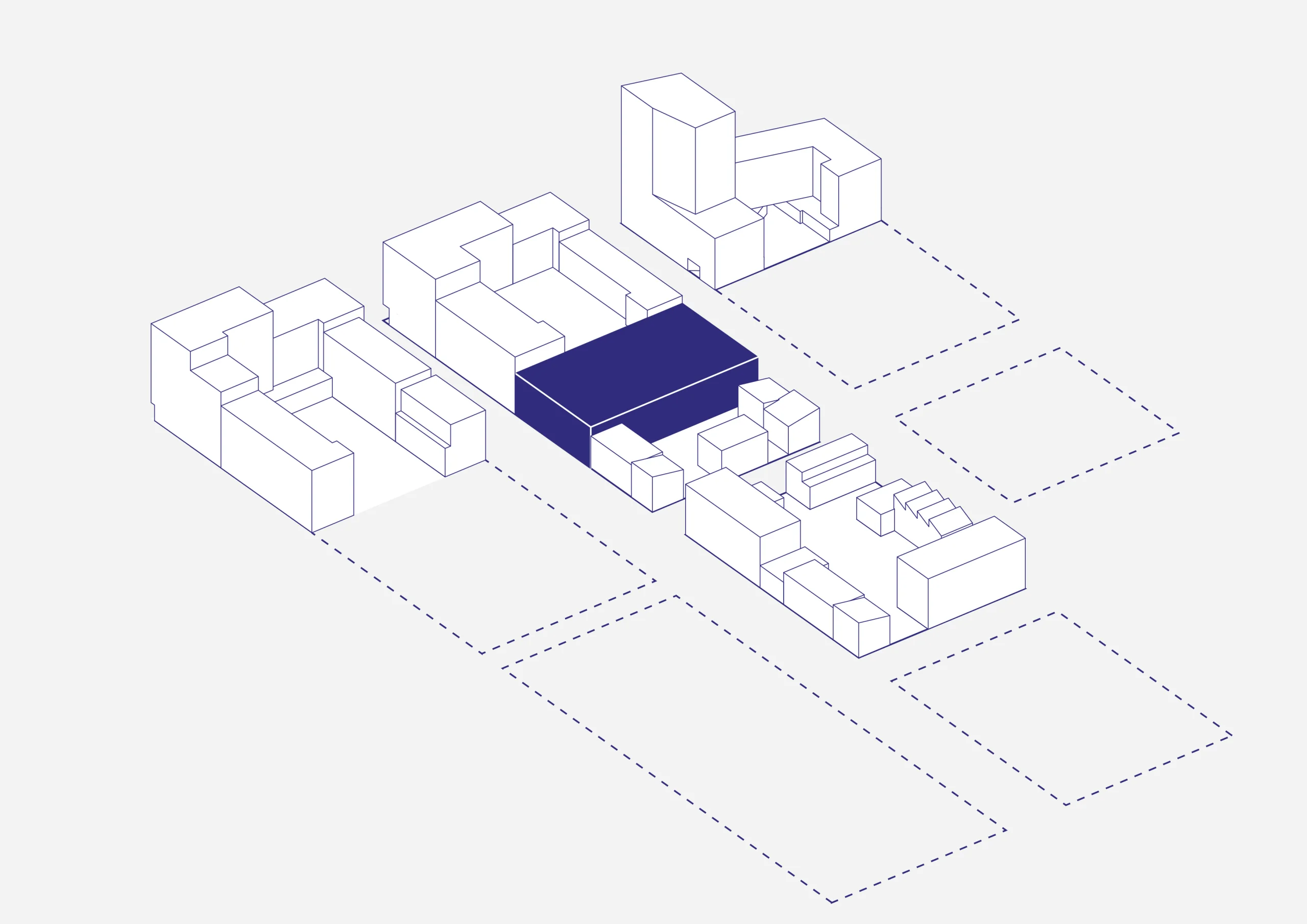
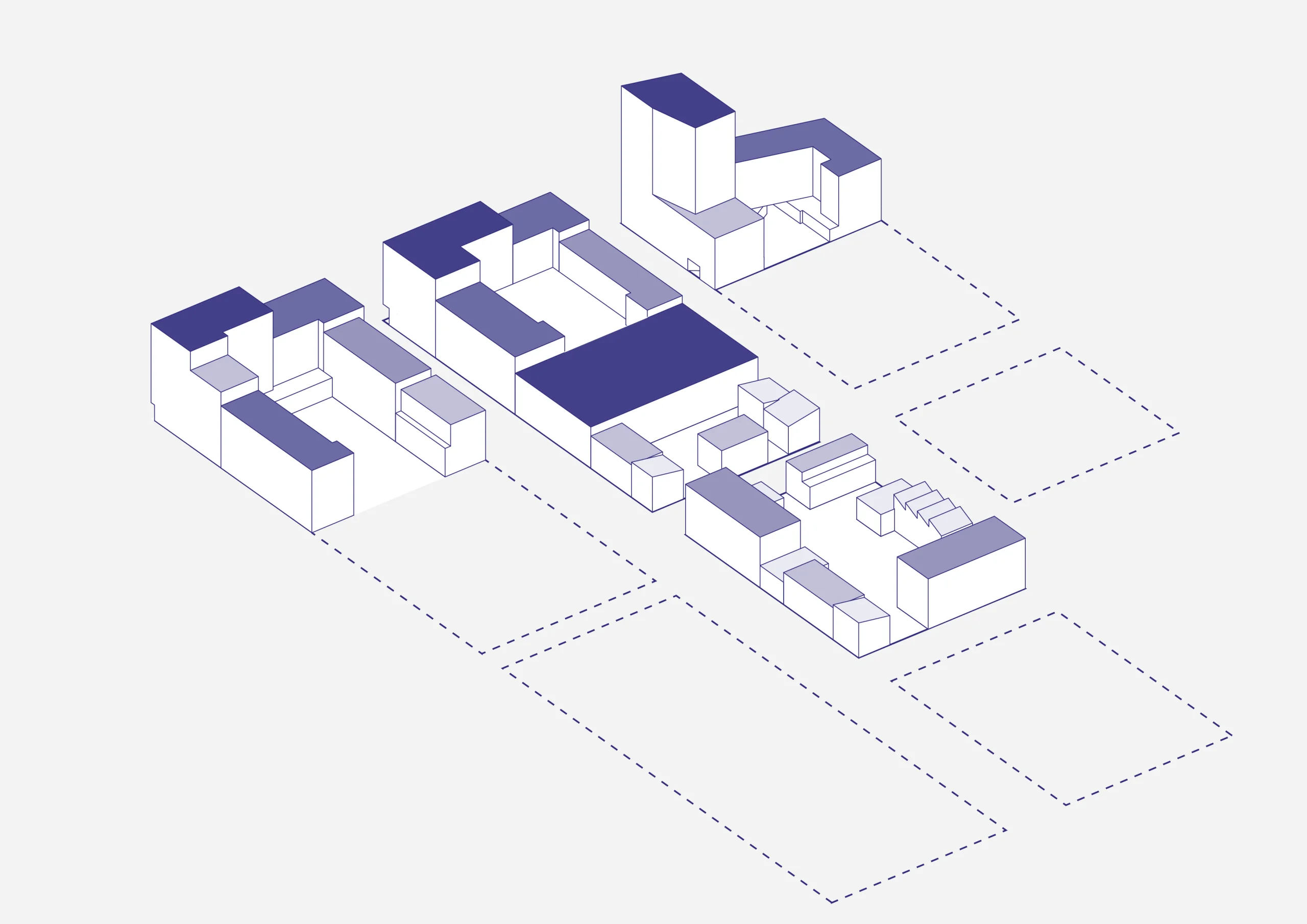
Patchwork of architecture
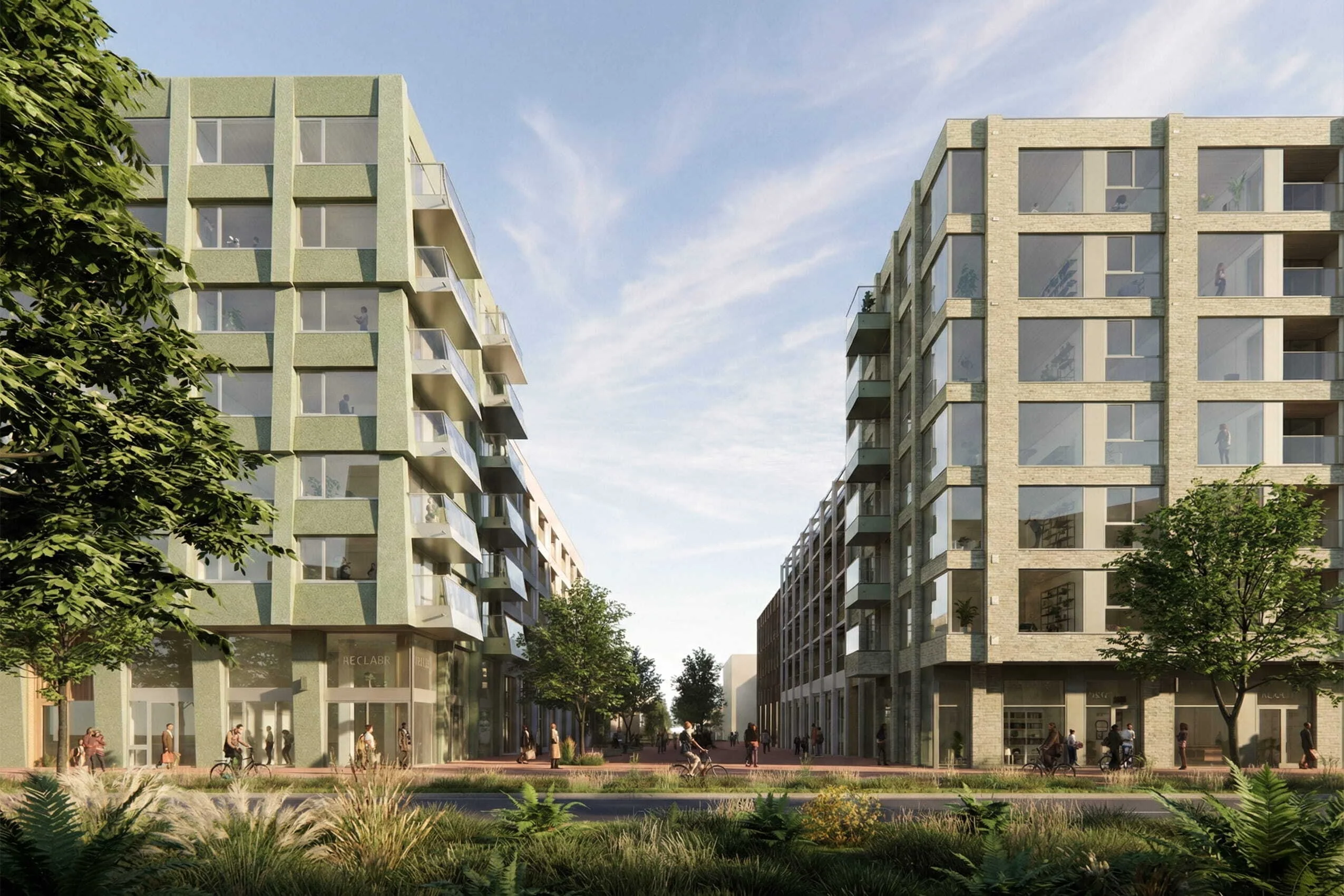
The four building blocks are designed under the influence of one of these four atmospheres, creating a unique and coherent whole. Each building block is made up of several smaller grains that together form a family. These units vary in height, length, materialization and design, creating a dynamic and varied whole. Each grain has its own entrance and a unique identity, contributing to a recognizable and human scale within the building block.
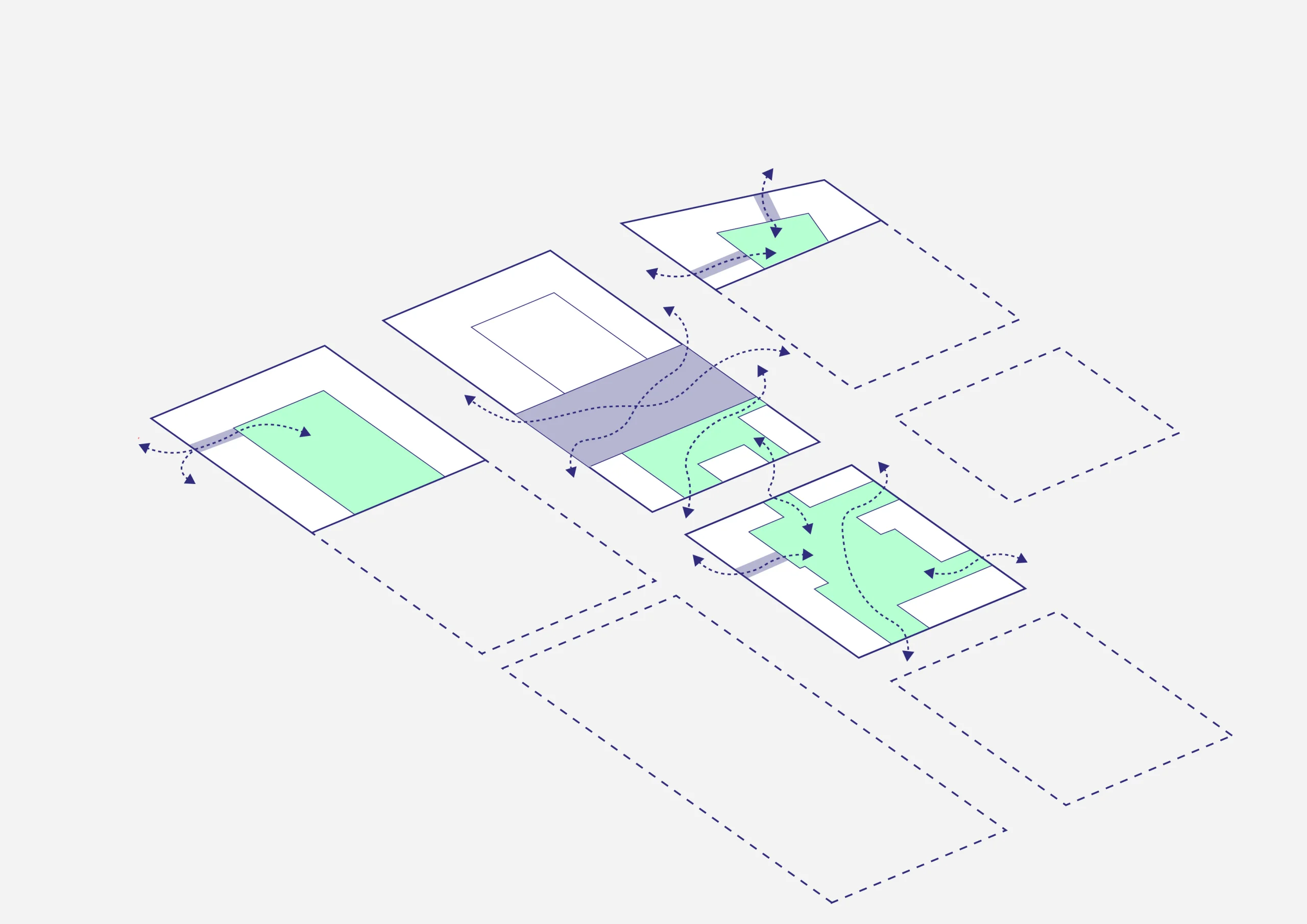
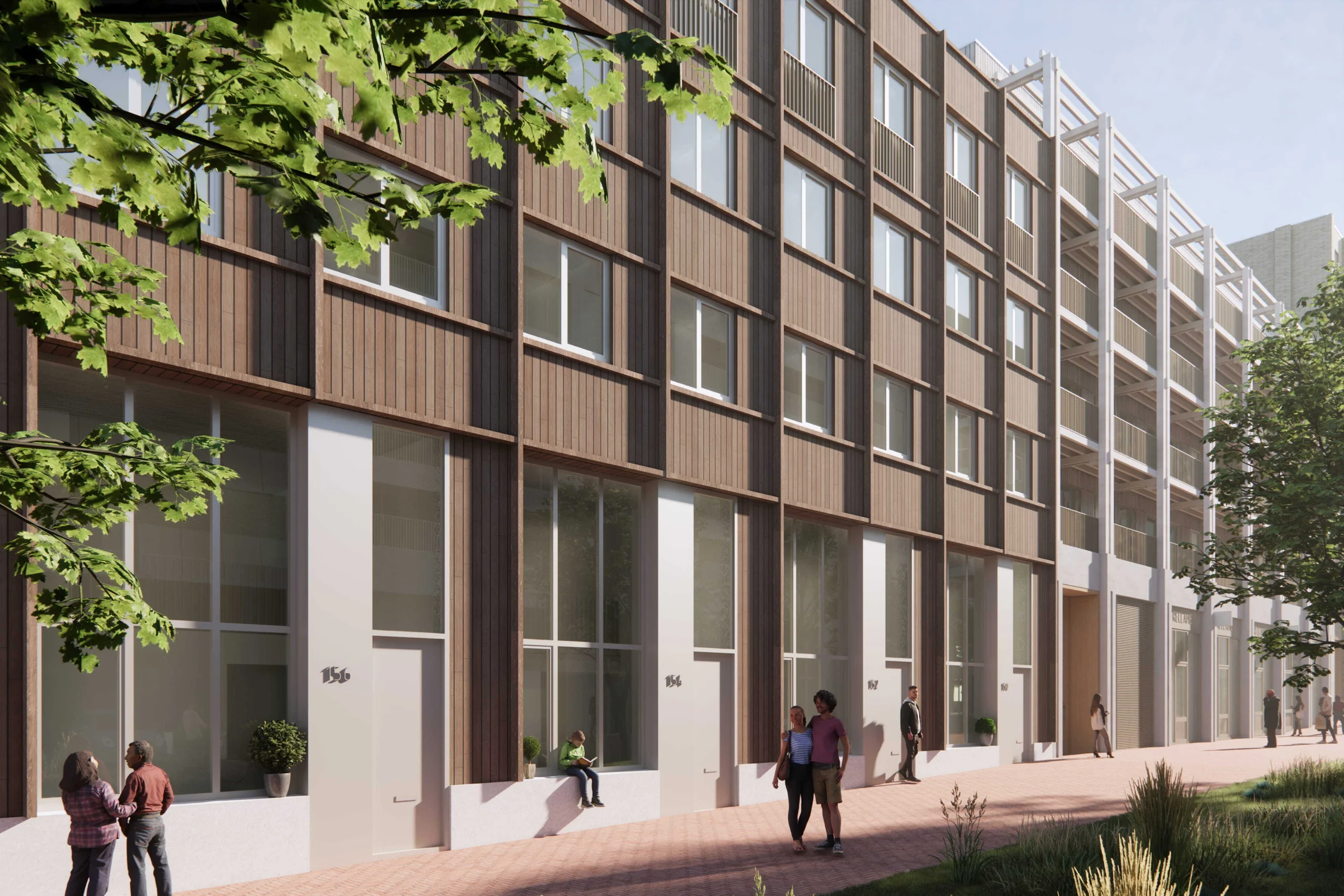
The plan area is permeable thanks to gates and openings in the building structure, creating sightlines between the street and the inner area. These views and inviting walking routes encourage visitors and residents to explore the inner area. Entrances on all street sides create an active plinth, contributing to a dynamic and safe atmosphere on the street.
A place for everyone
A young family neighbourhood under development has a strong need for a program that brings people together and allows the community to take root, grow and flourish. Garden Quarter is designed for families of all shapes and sizes and for the community they form together. There are 48 housing types, ranging from maisonettes to single-family homes, flexibly configurable and future-proof. Spread throughout the entire site, so that the neighbourhood truly becomes mixed - in residents, in rhythm, in use.
Strandeiland Garden Quarter offers an integrated program of living, working and recreation. Special attention has been paid to the transition between private and public, with lively plinths for shops and workspaces. There are live-work apartments, flexible workspaces and facilities such as the health center. The neighbourhood is designed to foster community spirit, with meeting places such as the neighbourhood hub and various pavilions.
Maximum residential quality
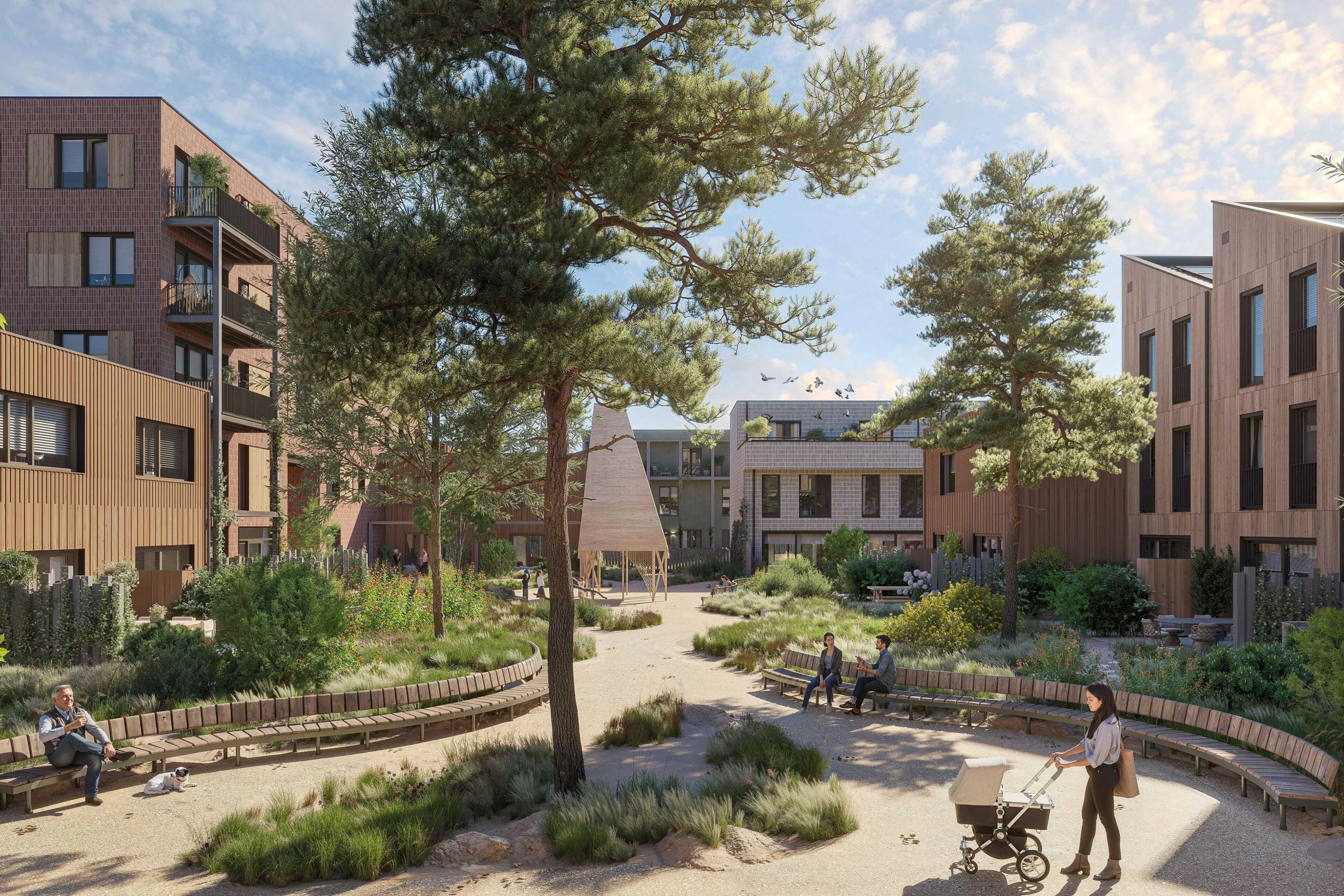
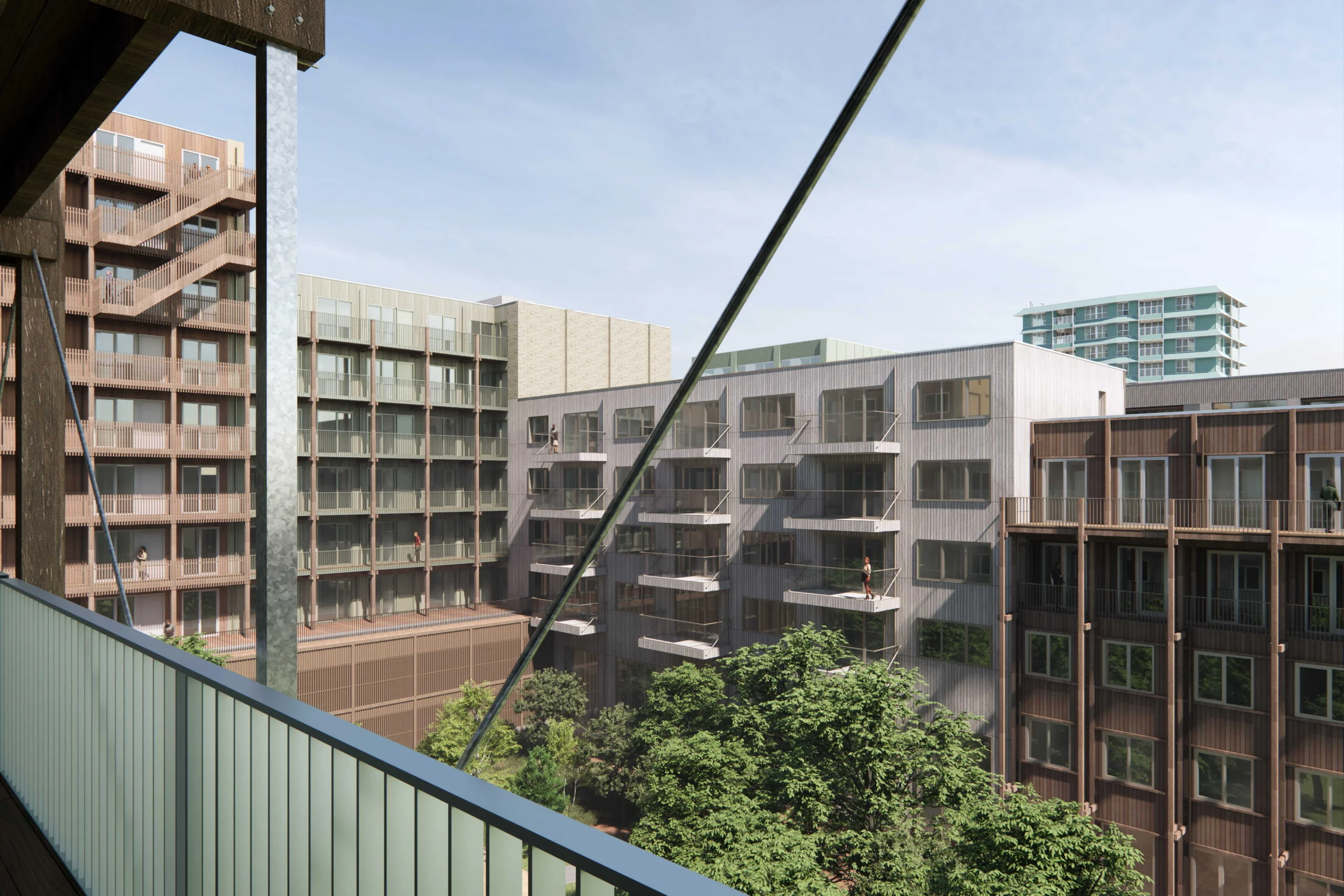
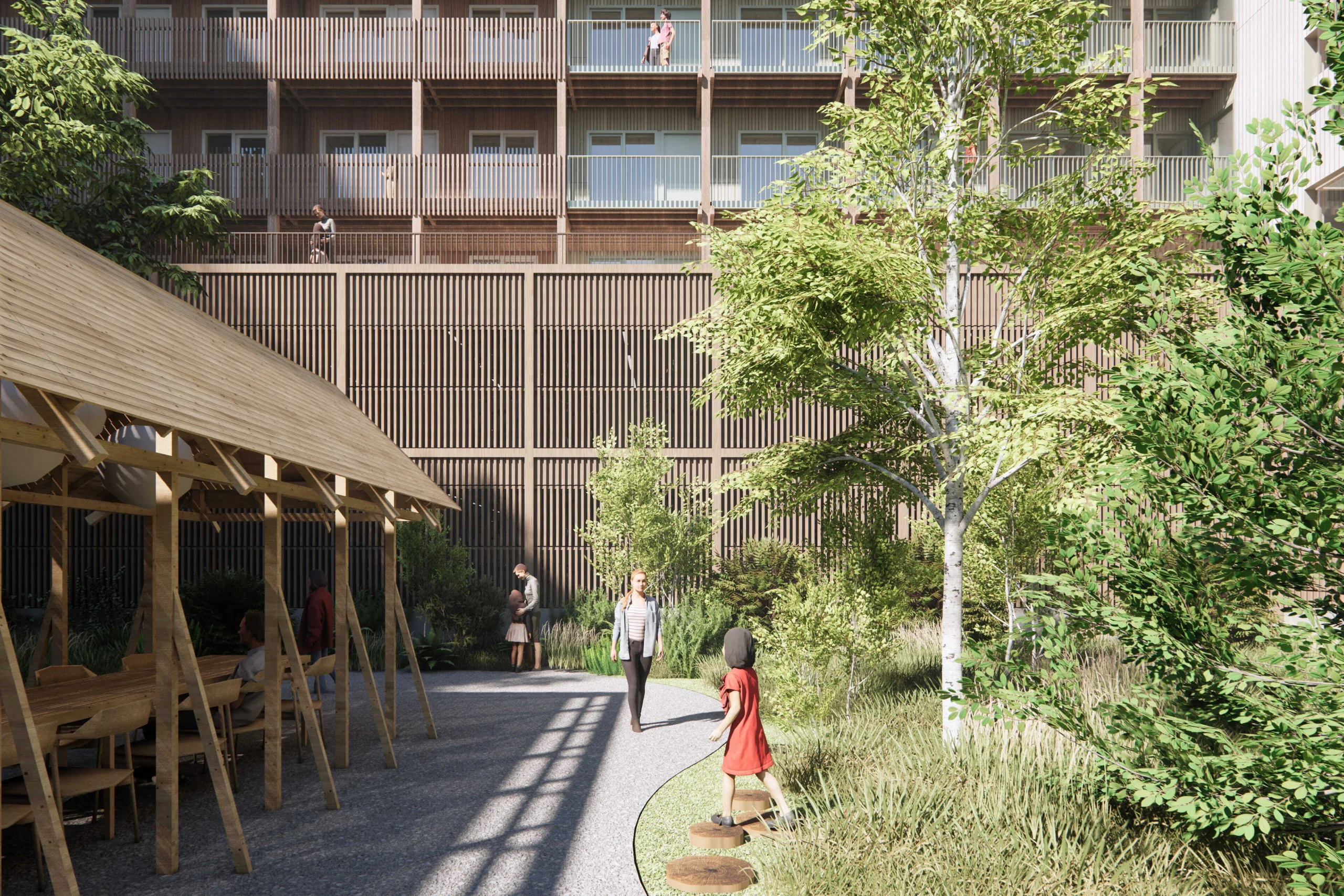
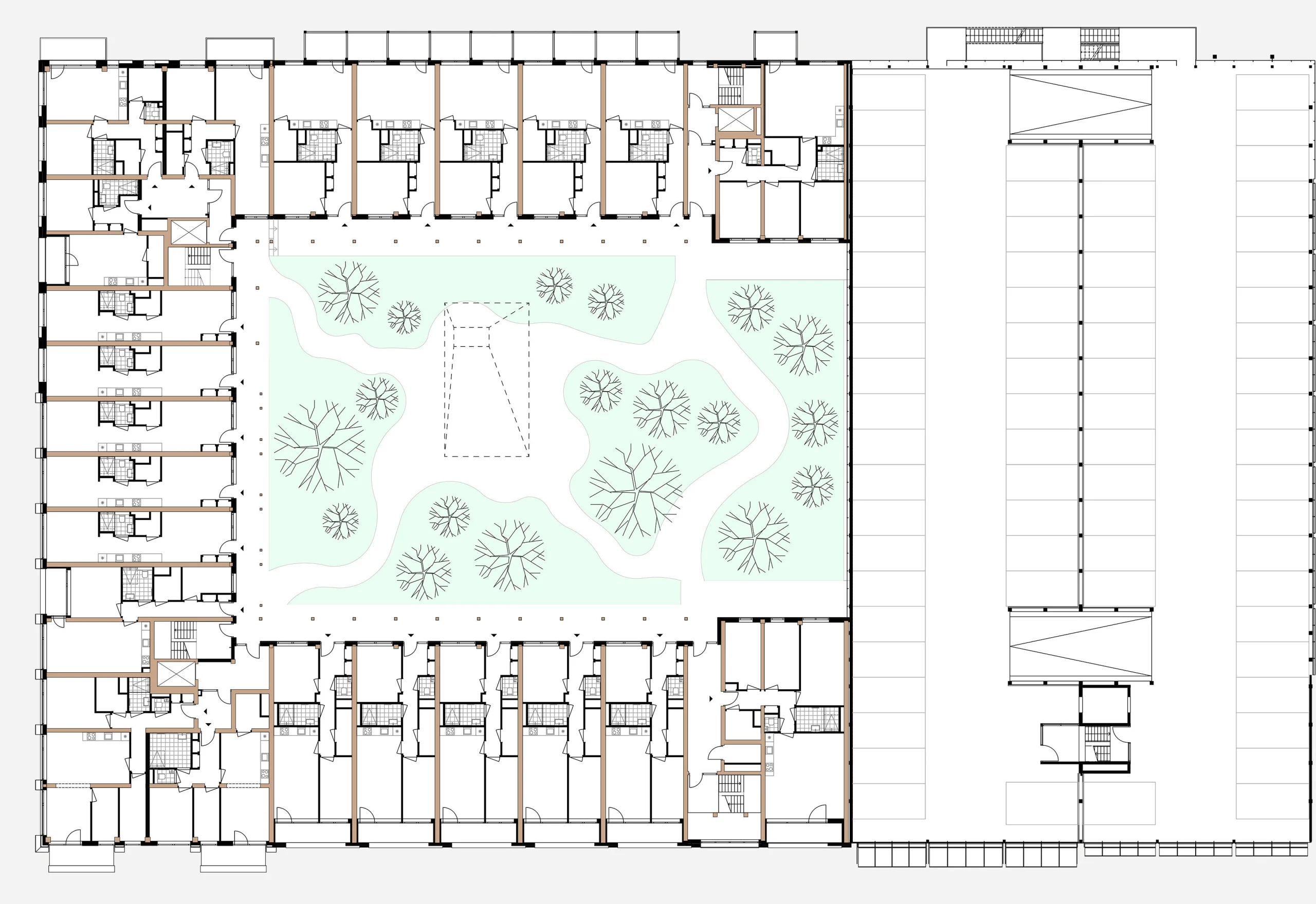
In the morning, children run into the greenery while you pick up coffee from the bakery around the corner in the City Block. In the afternoon, you work for a while in the City Garden above the supermarket. In the evening, you have drinks with the neighbors by the water. Everything within walking distance. In Strandeiland Garden Quarter, there will be several semi-public inner courtyards, each with its own unique character and a circular pavilion. Sightlines to the inner area and large doors and windows create openness. This makes Garden Quarter a place where children go on adventures and where neighbours naturally run into each other for a chat. The landscape of Garden Quarter is also a pleasant habitat for various animal species. There are all kinds of nesting places, and the inner courtyards are connected via the streets to the park, water and the wider surroundings.
Fully sustainable
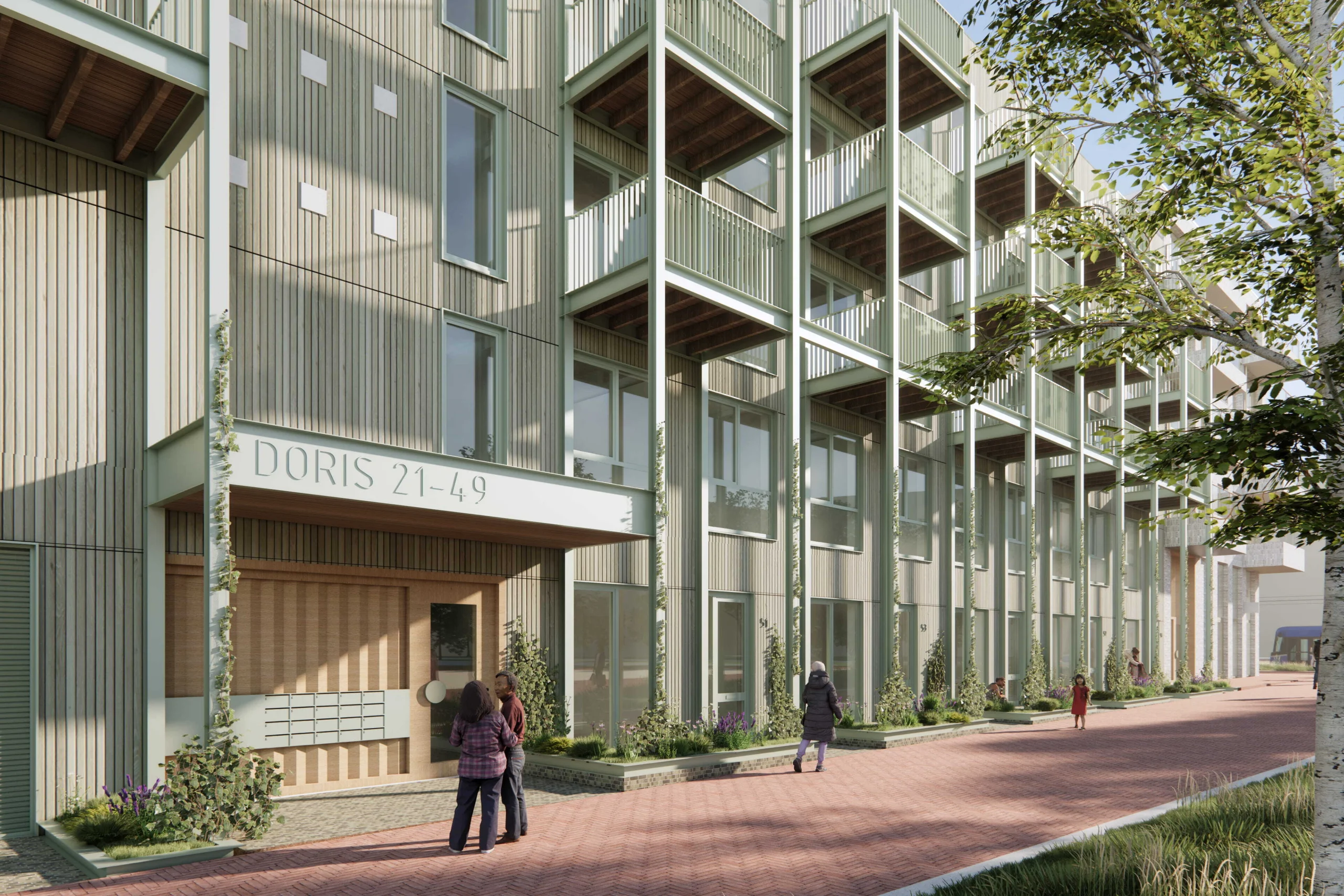
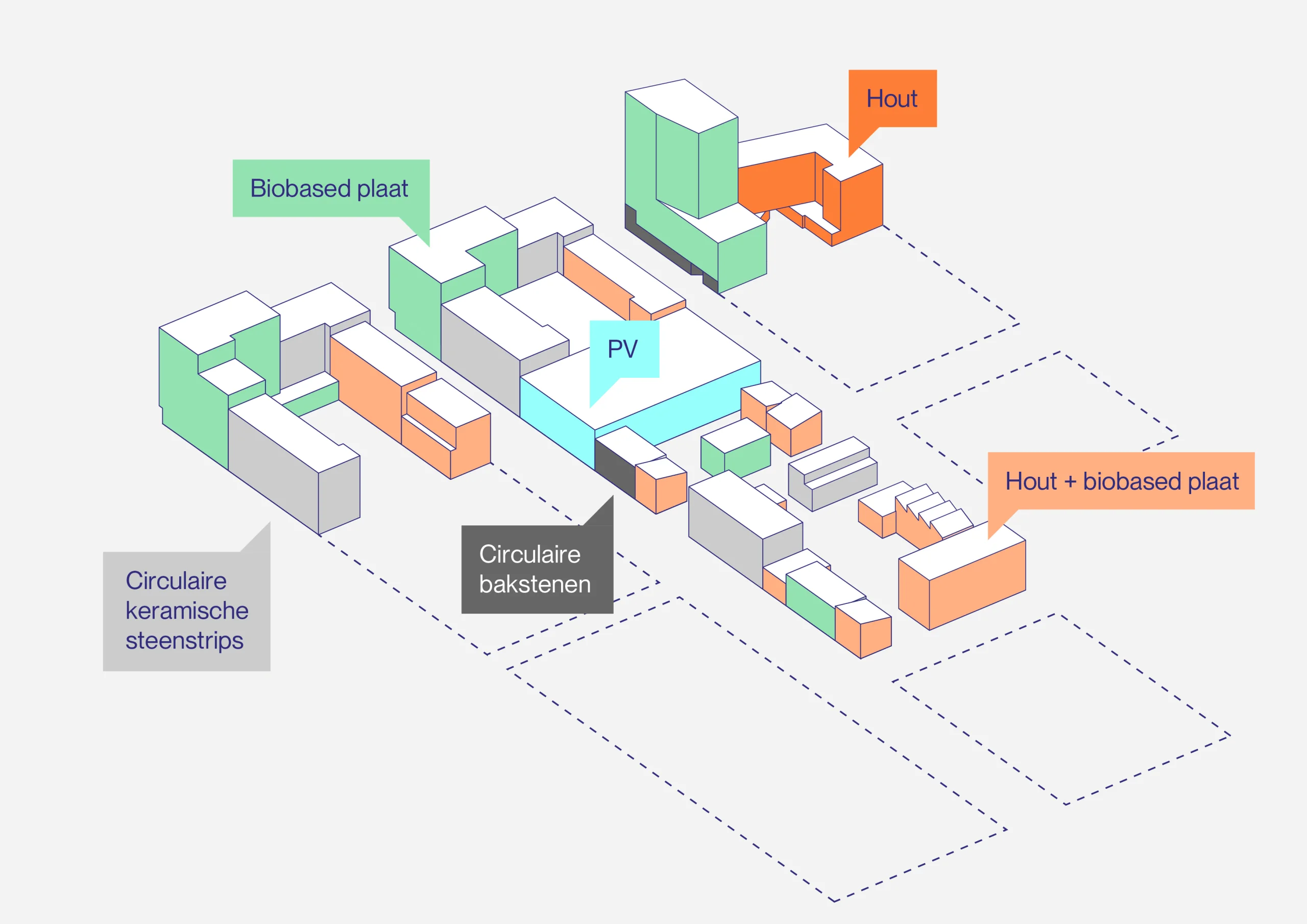
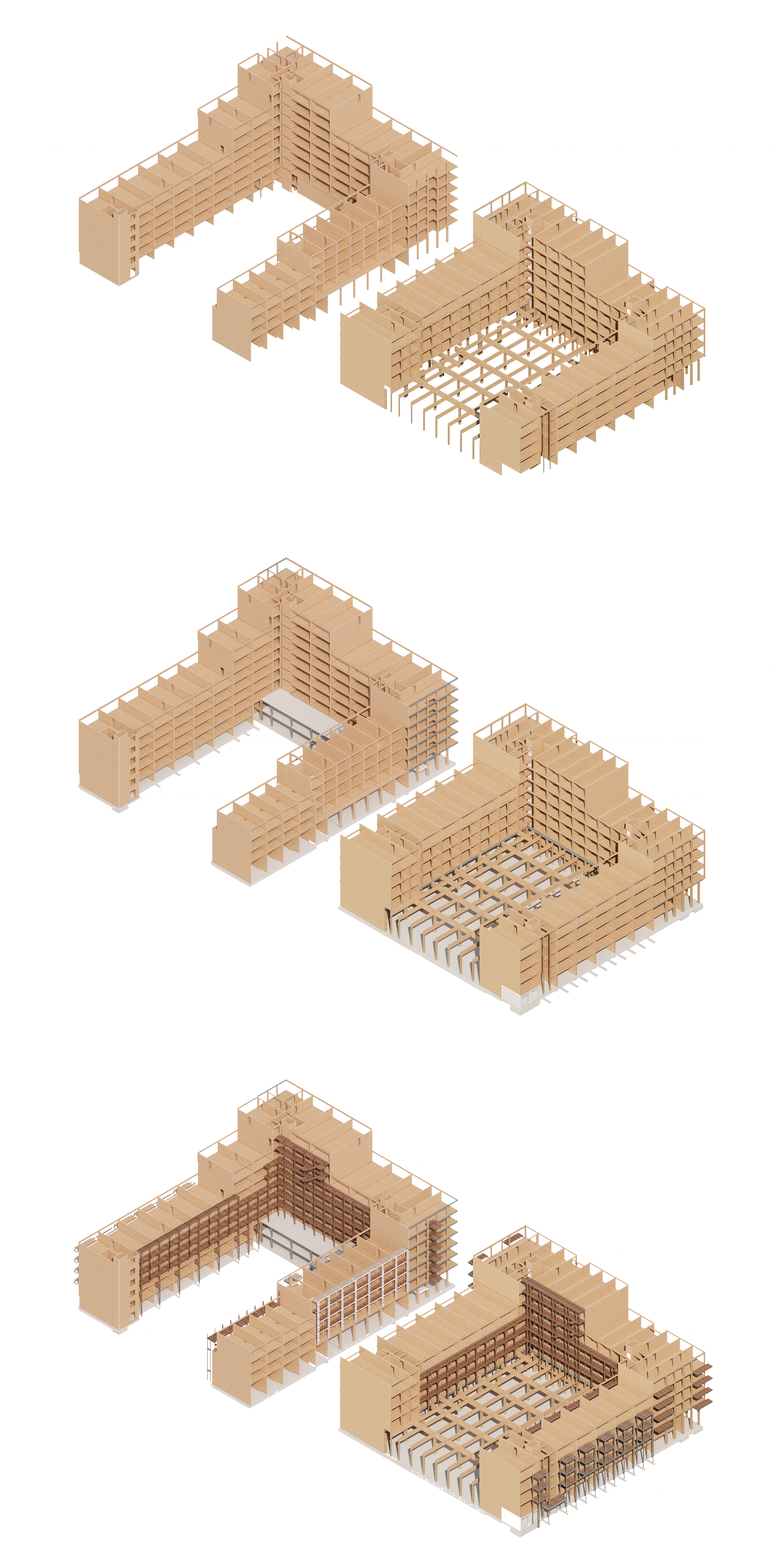
Diversity in materials, colors and volumes gives the neighbourhood its character. Yet there is a strong common language: solid timber as the load-bearing structure, glulam supports and CLT floors. This will create the Netherlands' first wooden supermarket with a real inner garden on the roof. Carbon-based design is the guiding principle, with biobased materials as the starting point.
Sustainability here is not only in the choice of materials, but in the entire system. Shared cars are charged with the yield from PV panels, which also provide heating and cooling for the buildings, including the supermarket. The neighbourhood has a nature-inclusive layout with diverse biotopes and habitats for a healthy ecosystem.
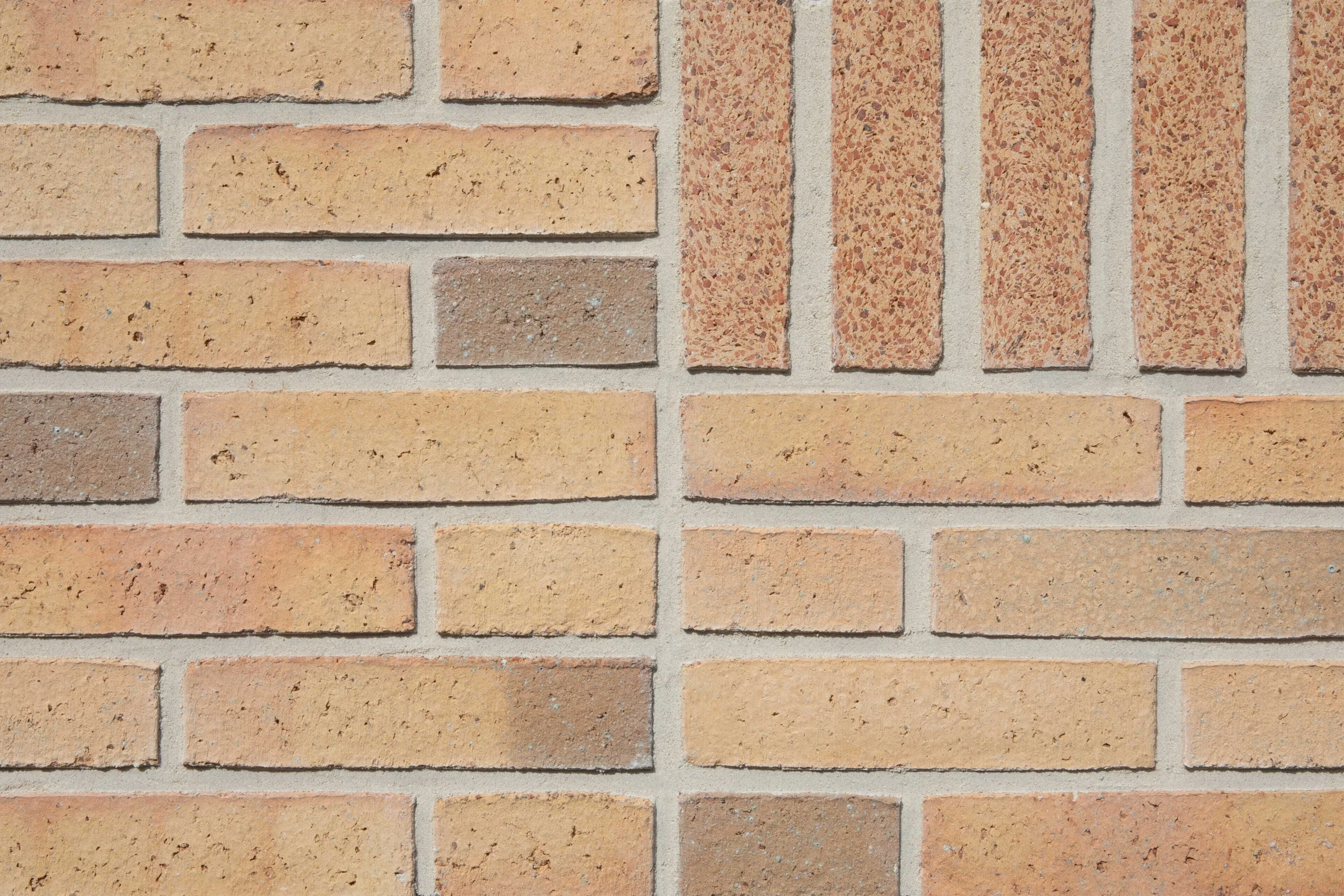
Where possible, recycled materials are always used. For example, a large part of the bricks that will be used consists of residual streams, allowing them to be fired at a lower temperature. It was also decided to leave wood as visible as possible, such as in the ceilings of the homes and in the supermarket. The result is a neighbourhood that takes its ecological footprint seriously, without compromising beauty or livability.
The City Block
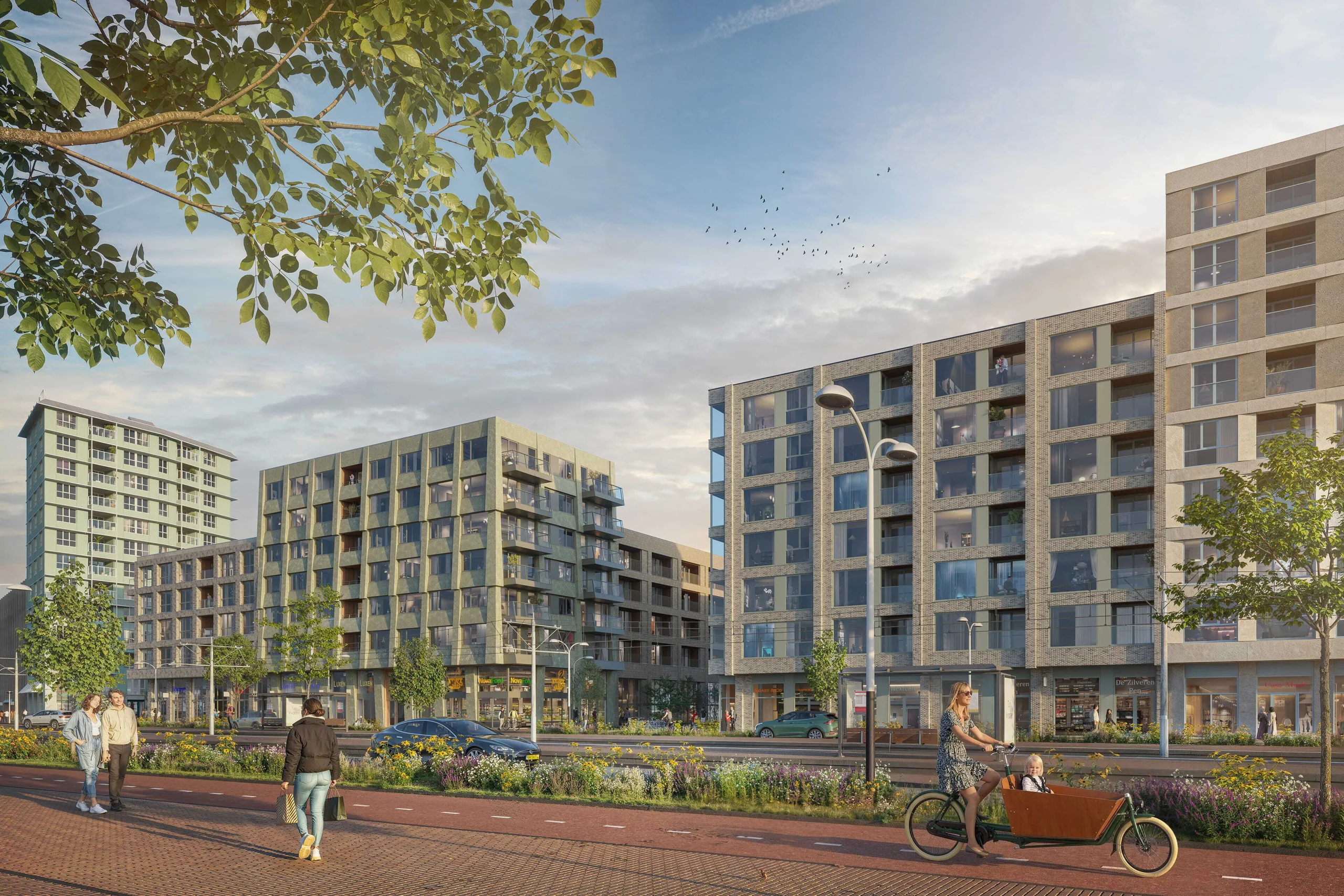
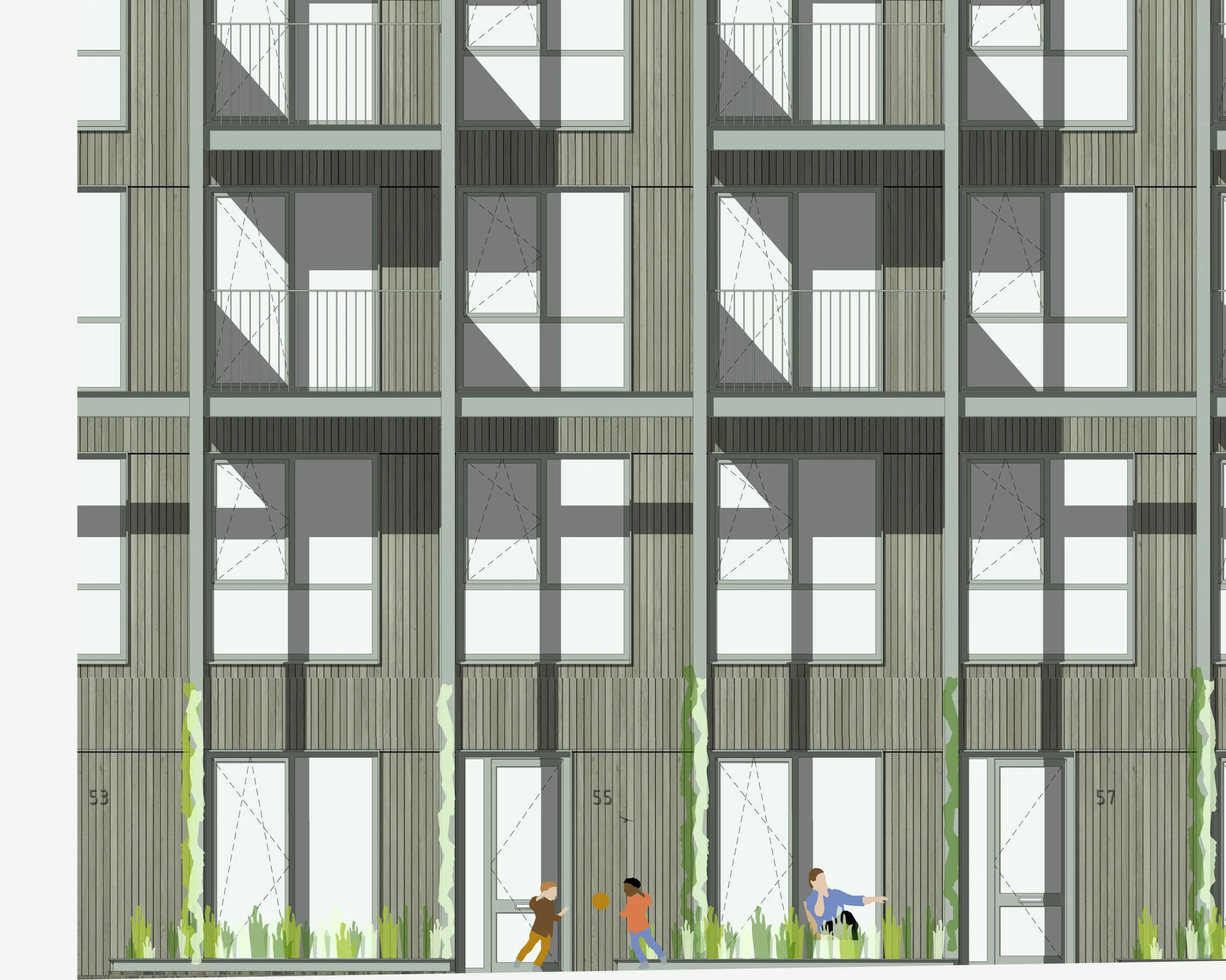
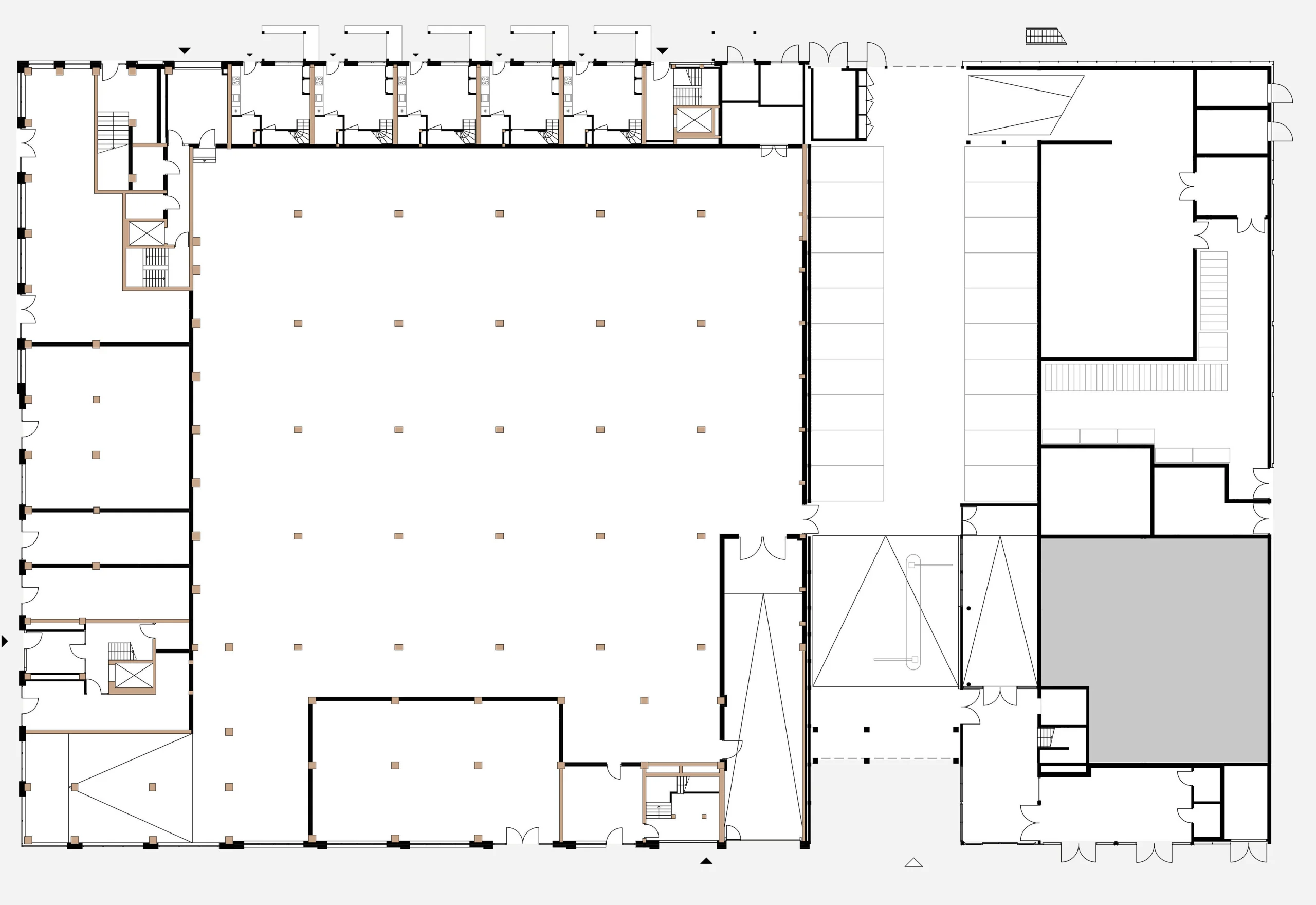
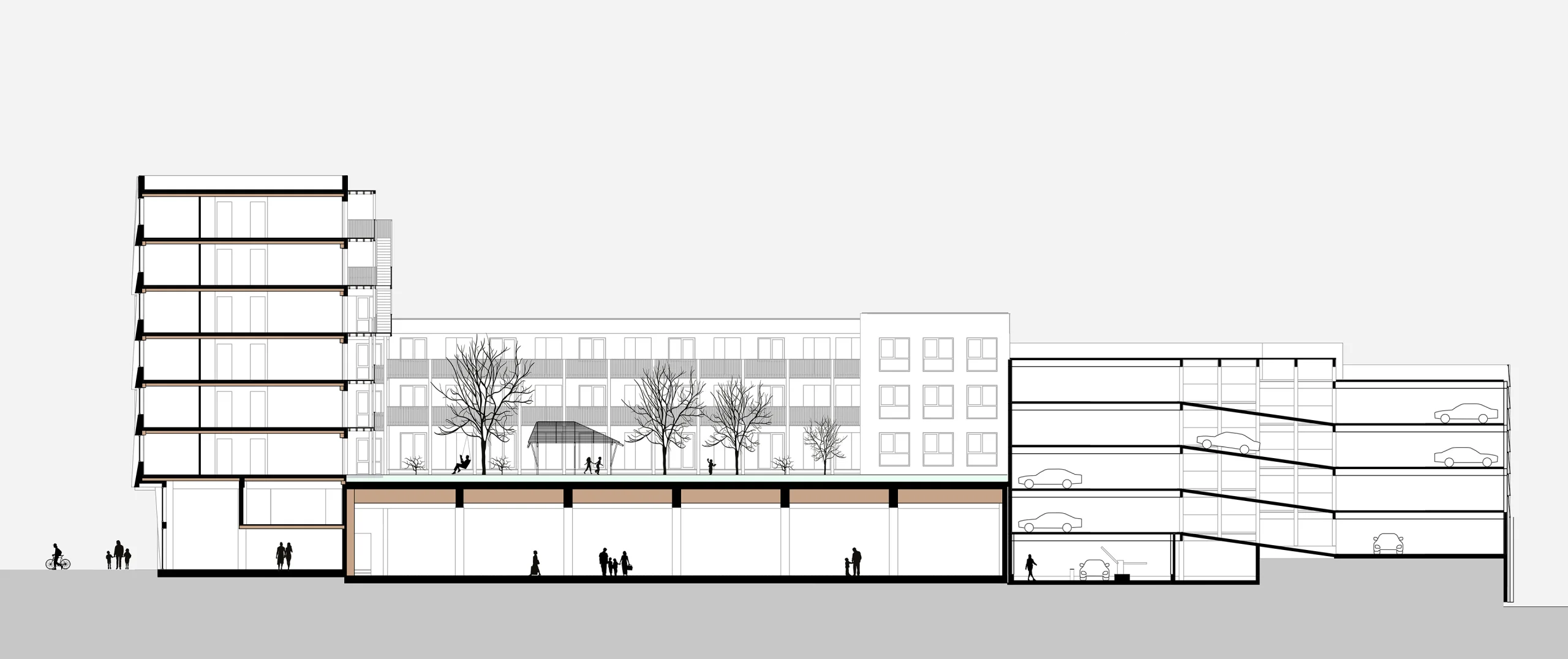
The City Block is designed as a connector, with smart links between functions. On Pampuslaan, city life buzzes on the ground floor. Above is the City Garden: a green meeting place above the supermarket, with a pavilion for those who want to work quietly or catch up. The façades are made of circular and biobased materials. This diverse and attractive façade image strengthens the dynamism of city life.

The Neighbourhood Hub
Each block of Garden Quarter has one or more bicycle storage facilities that are spacious, bright and safe. Thanks to their positioning, residents are encouraged to use the bicycle more often instead of the private car. Those who do use the car come home via the neighbourhood hub. All parking spaces are grouped here - clearly divided into a residents' section, a visitors' section for the supermarket and spaces for shared cars. From the neighbourhood hub there is a direct connection to the supermarket.
The neighbourhood hub has been designed with energy efficiency in mind. PV panels are integrated into both roof and façade. The yield is used directly for the energy supply of the central thermal energy storage system, the homes, the supermarket and the charging of shared cars. In this way, energy production and use are intelligently aligned.
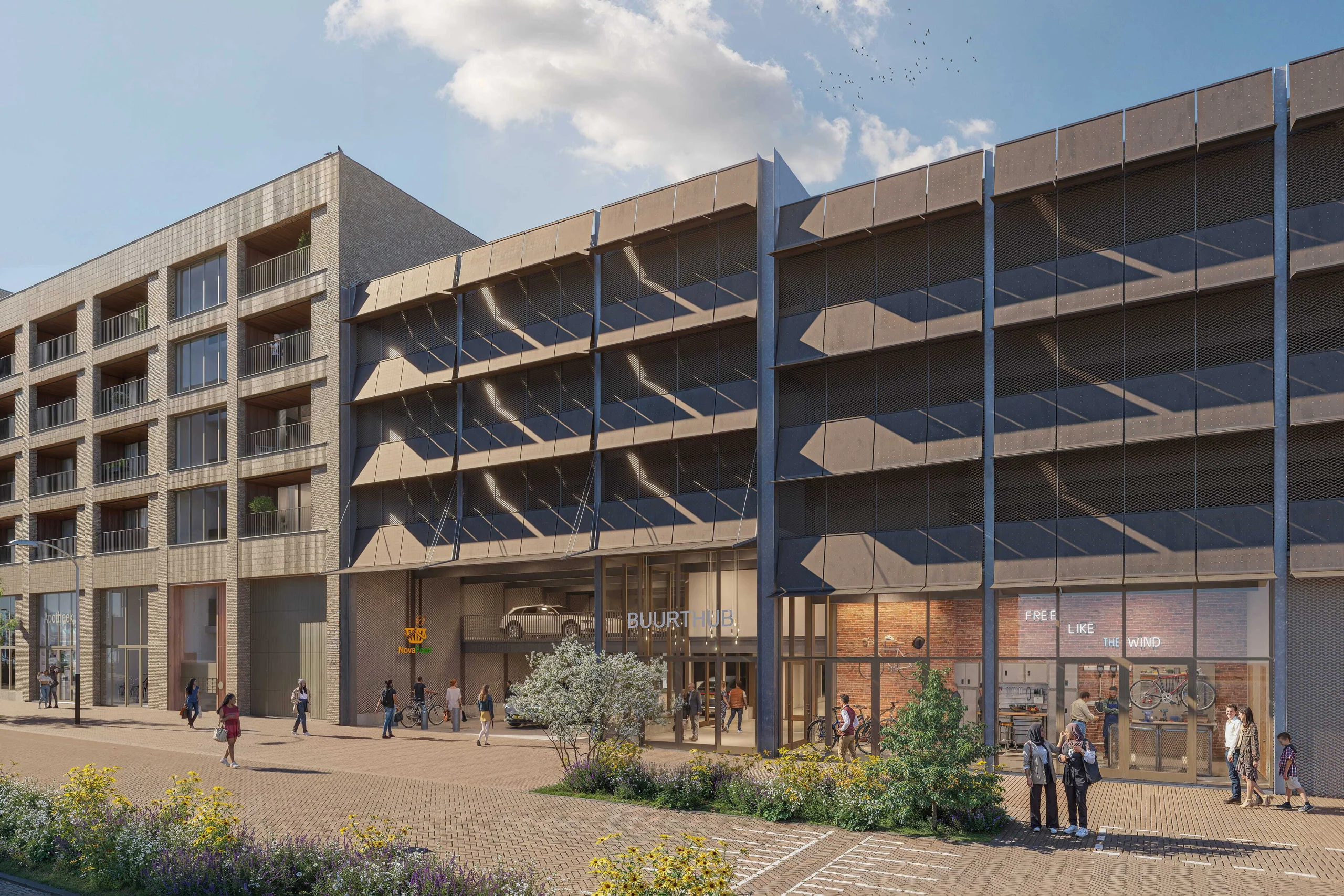
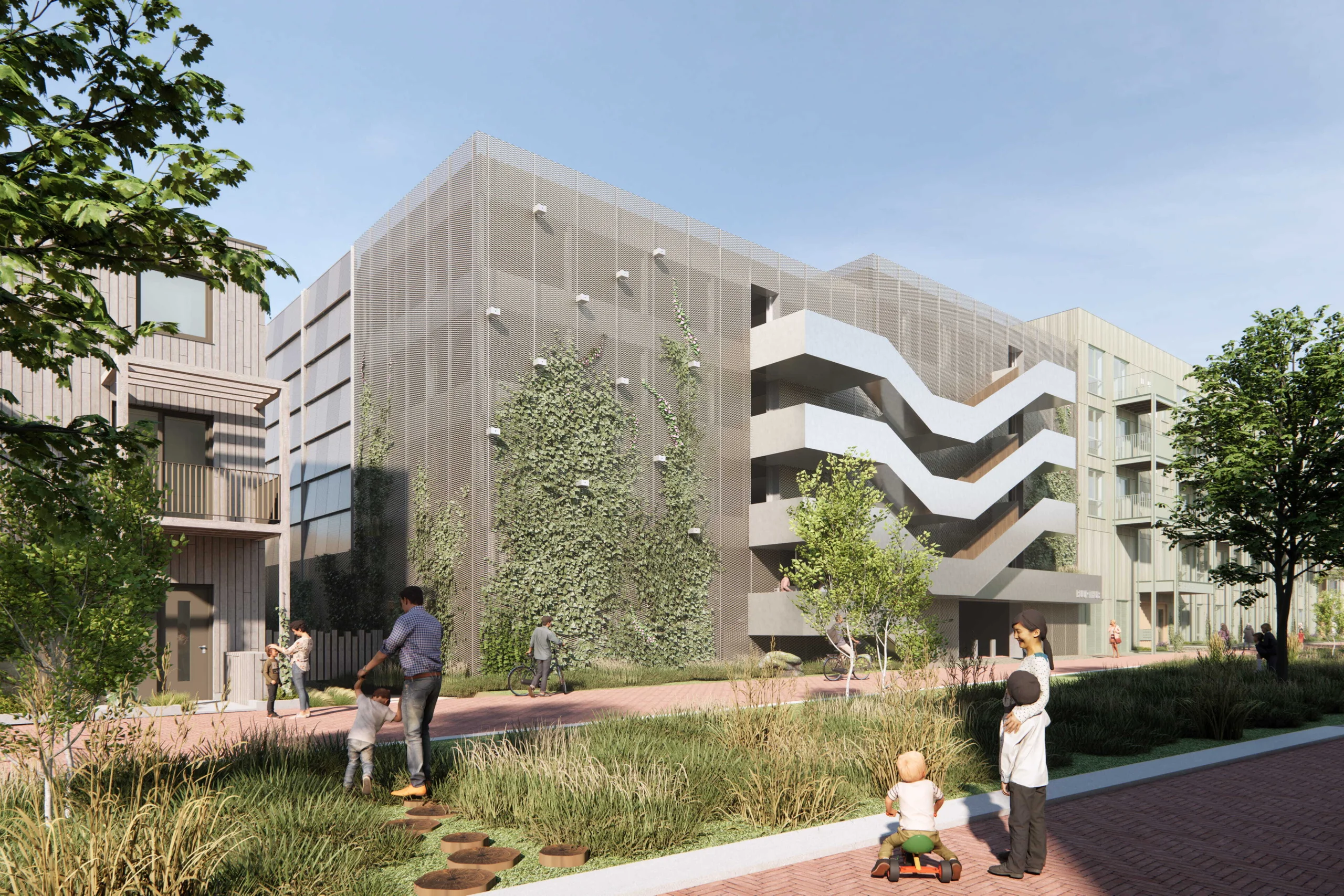
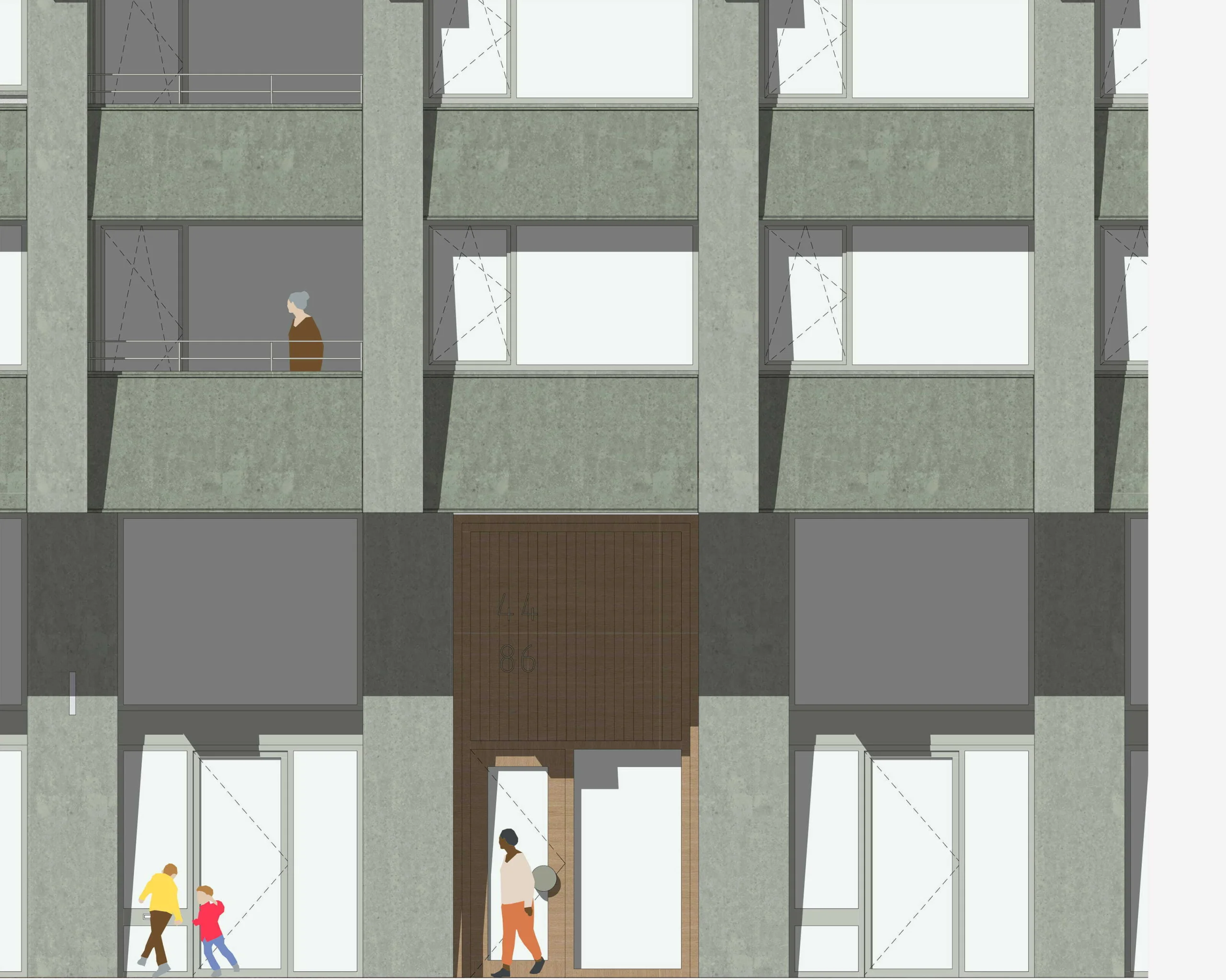
The active plinth houses the PampusClub: a multifunctional space with shared workspaces, a bicycle repair shop, a parcel point and a public toilet. This will become the neighbourhood association's permanent home. The entrance on Makersstraat is more than five meters high, creating a bright and inviting space.
On Doris Lessingstraat, a sculptural steel staircase marks the hub's second entrance. It serves as access and is at the same time designed as a place to linger, where people can chat with the neighbours. A place for the neighbourhood to sit for a while and enjoy the view.
Project data
Amsterdam
Google maps